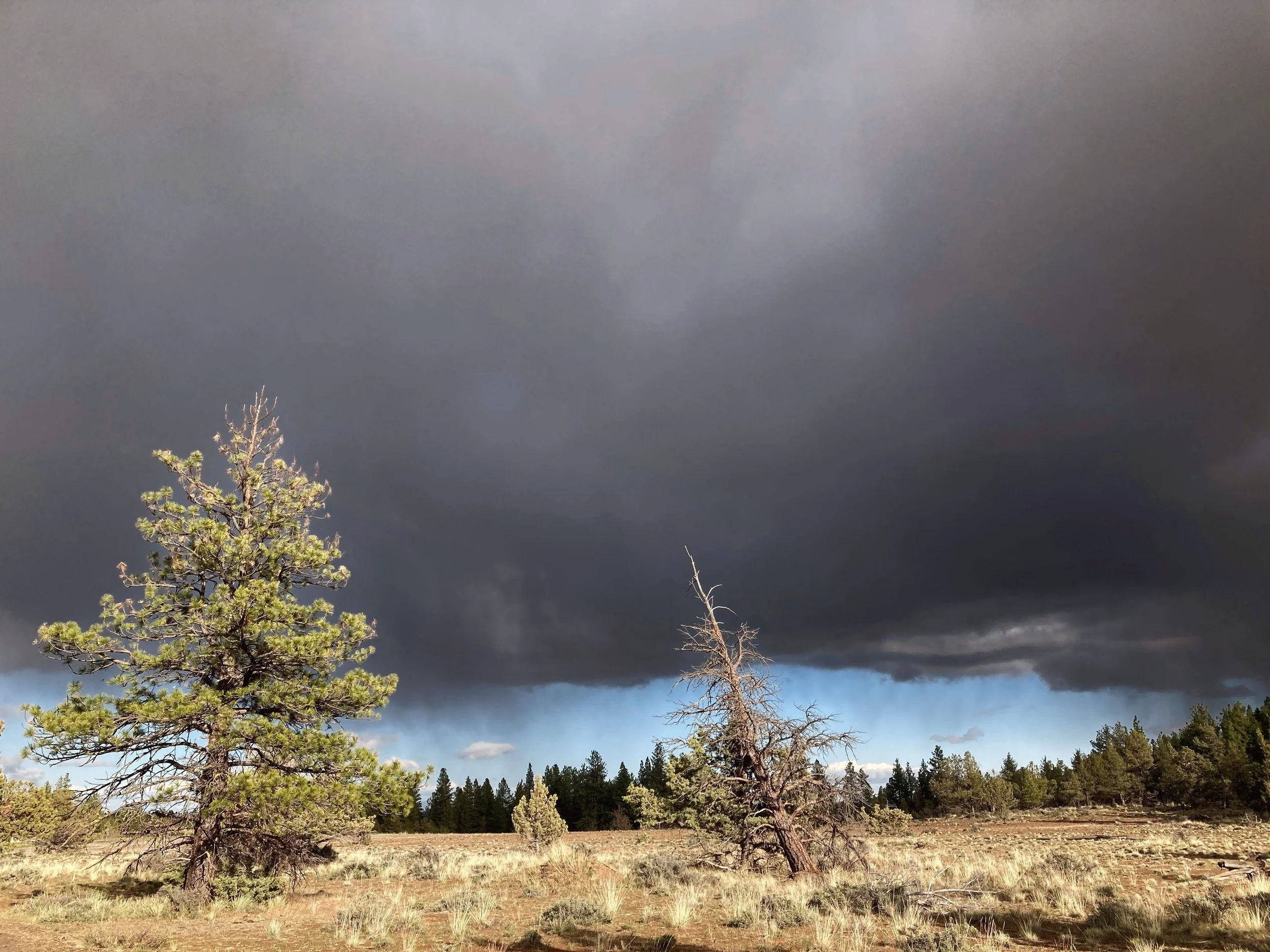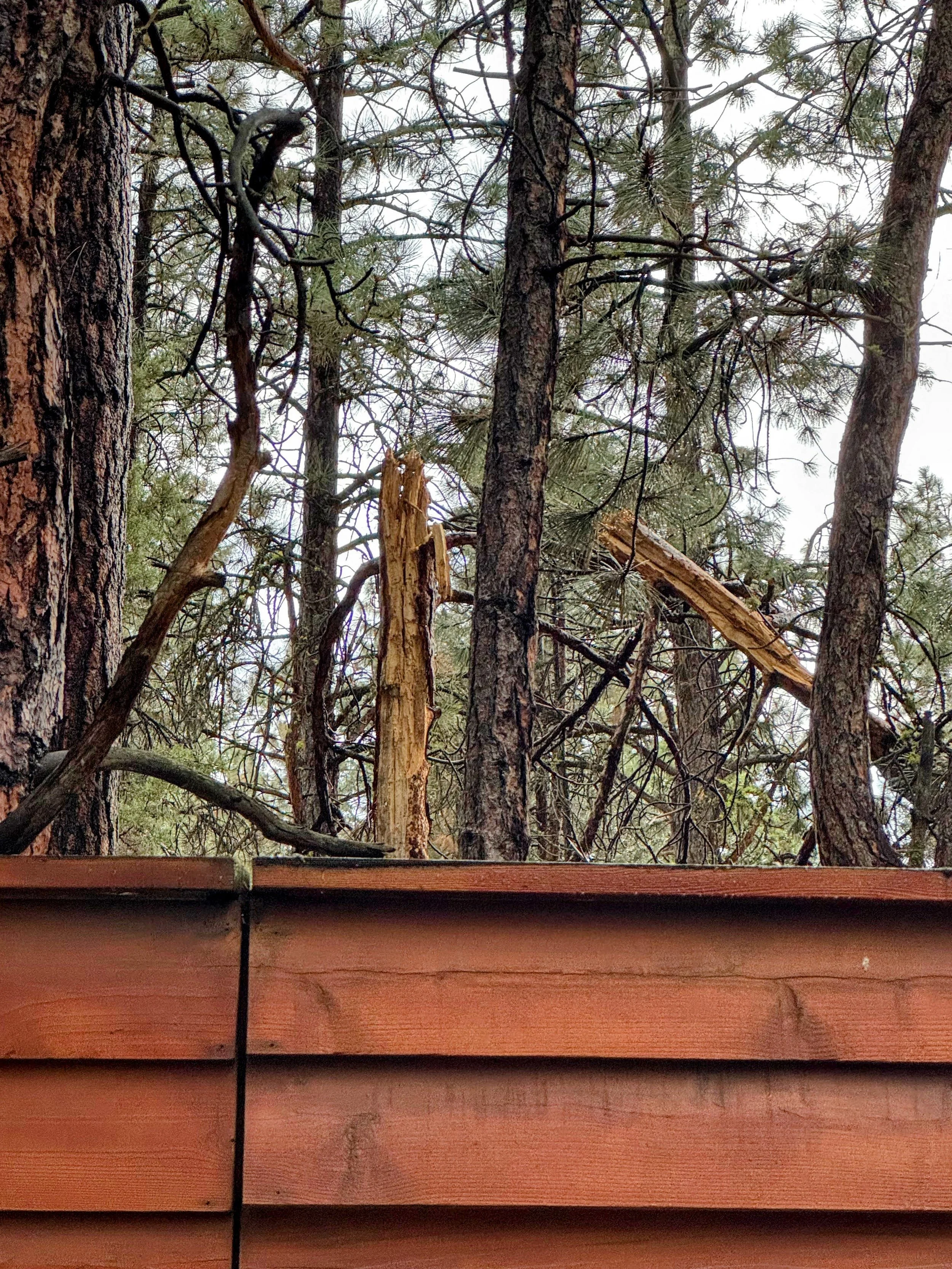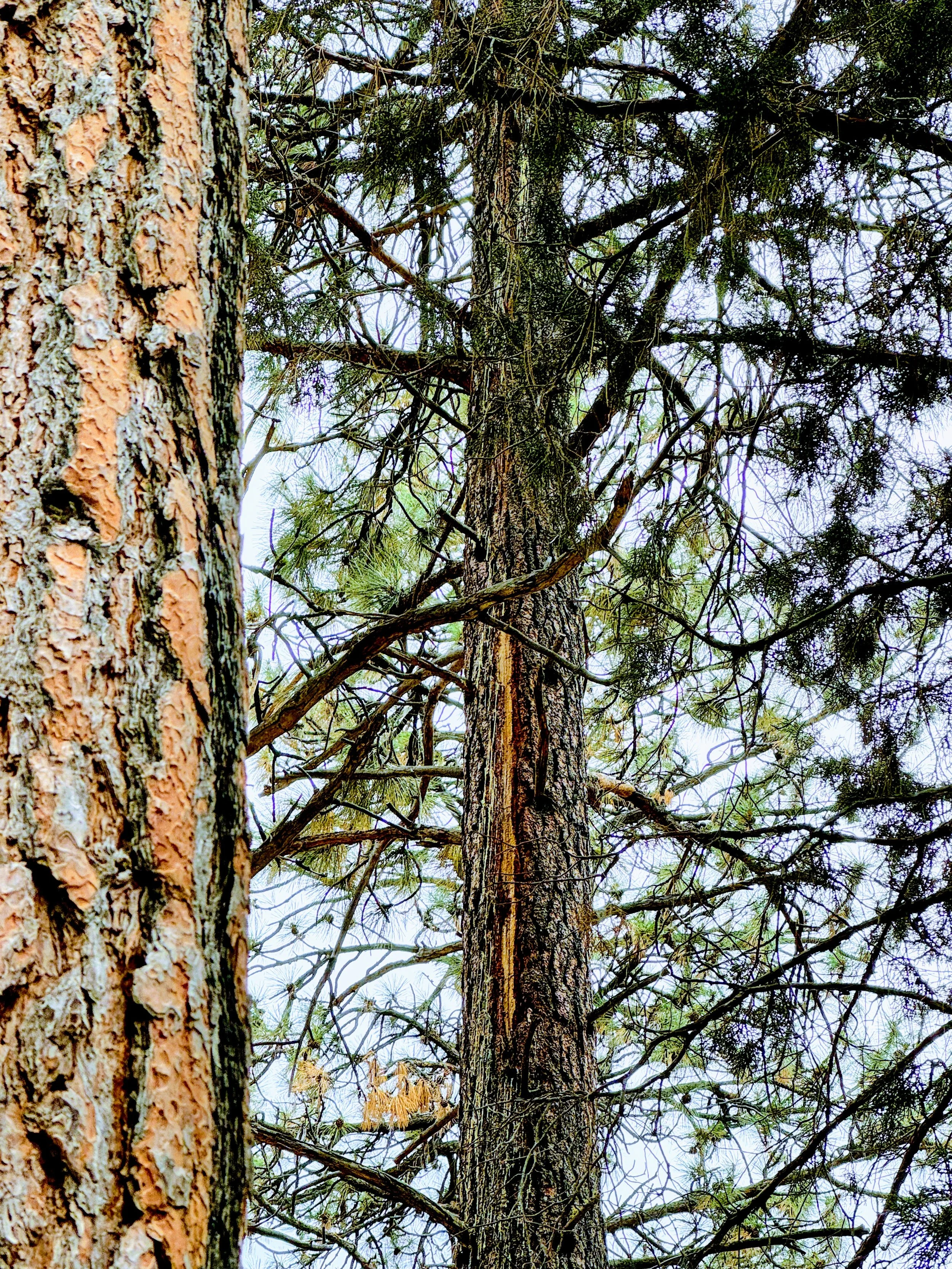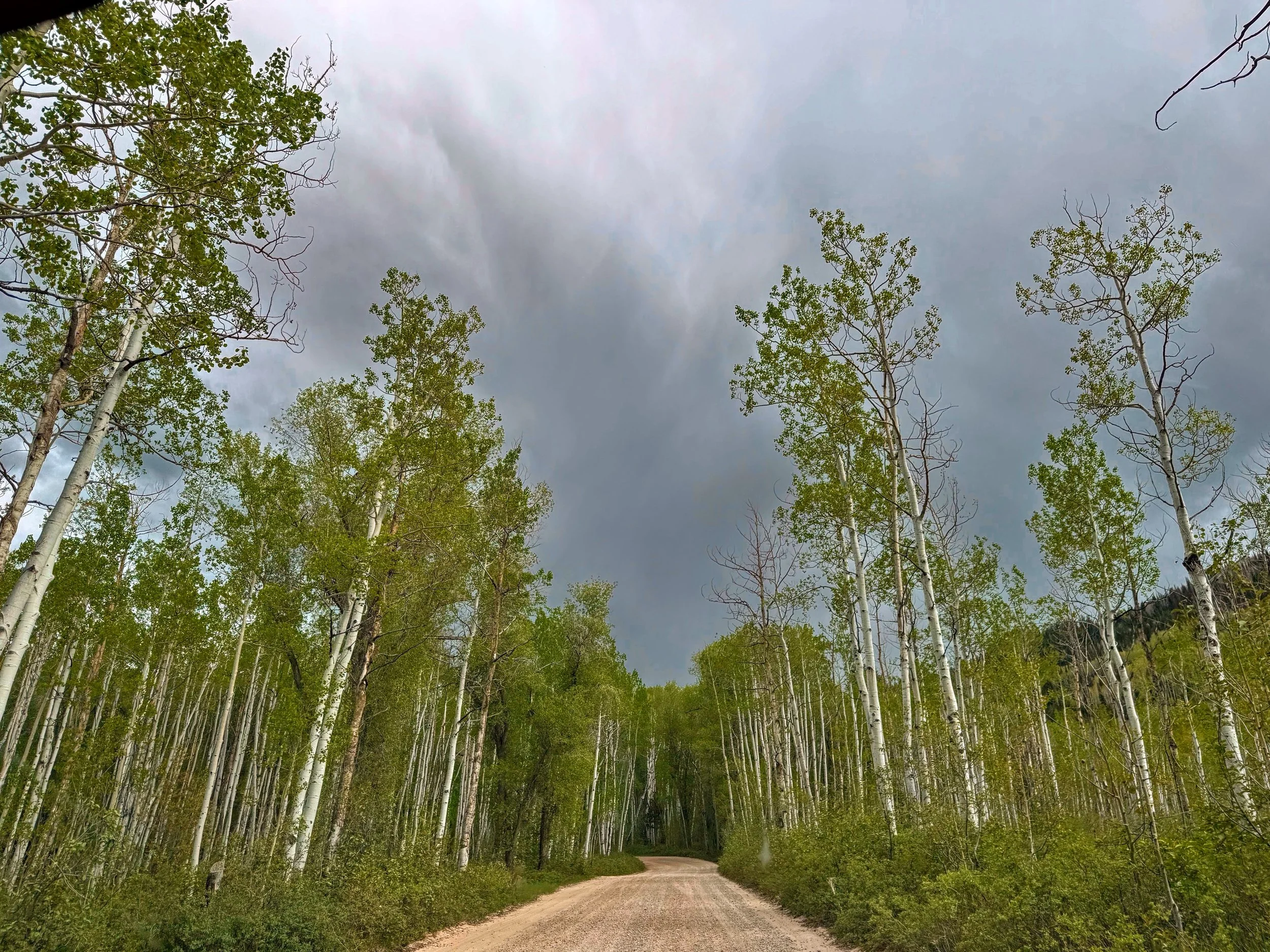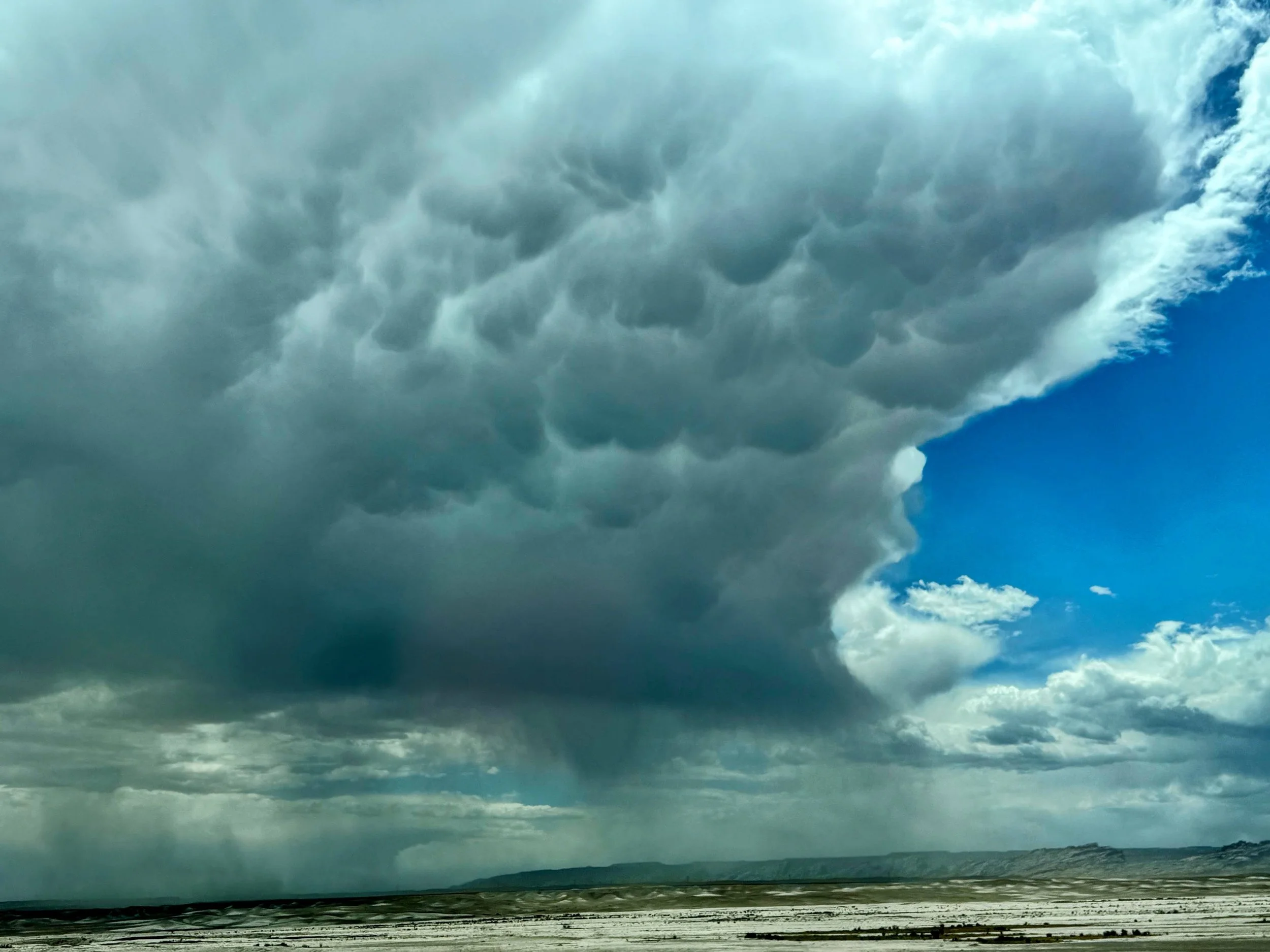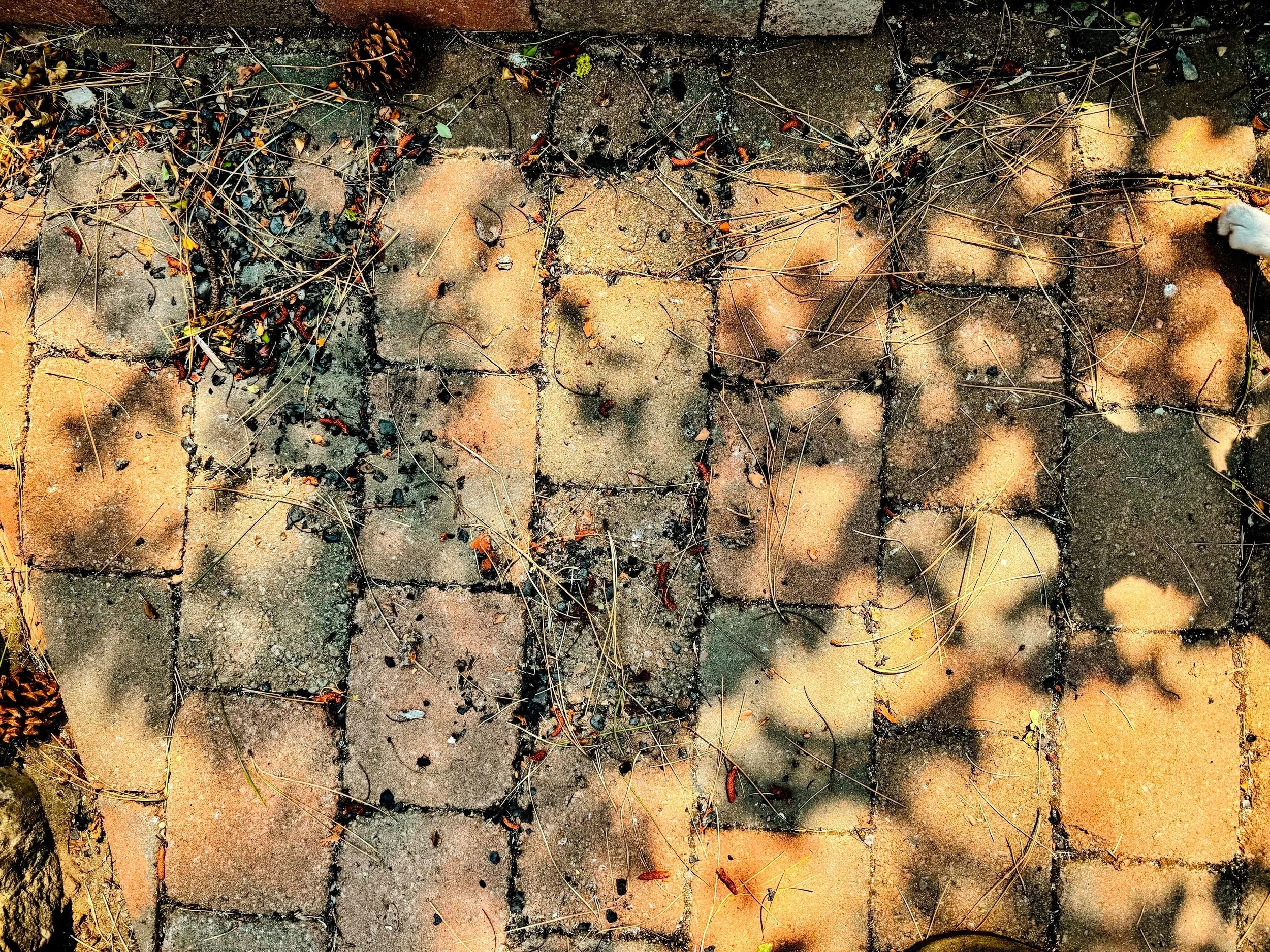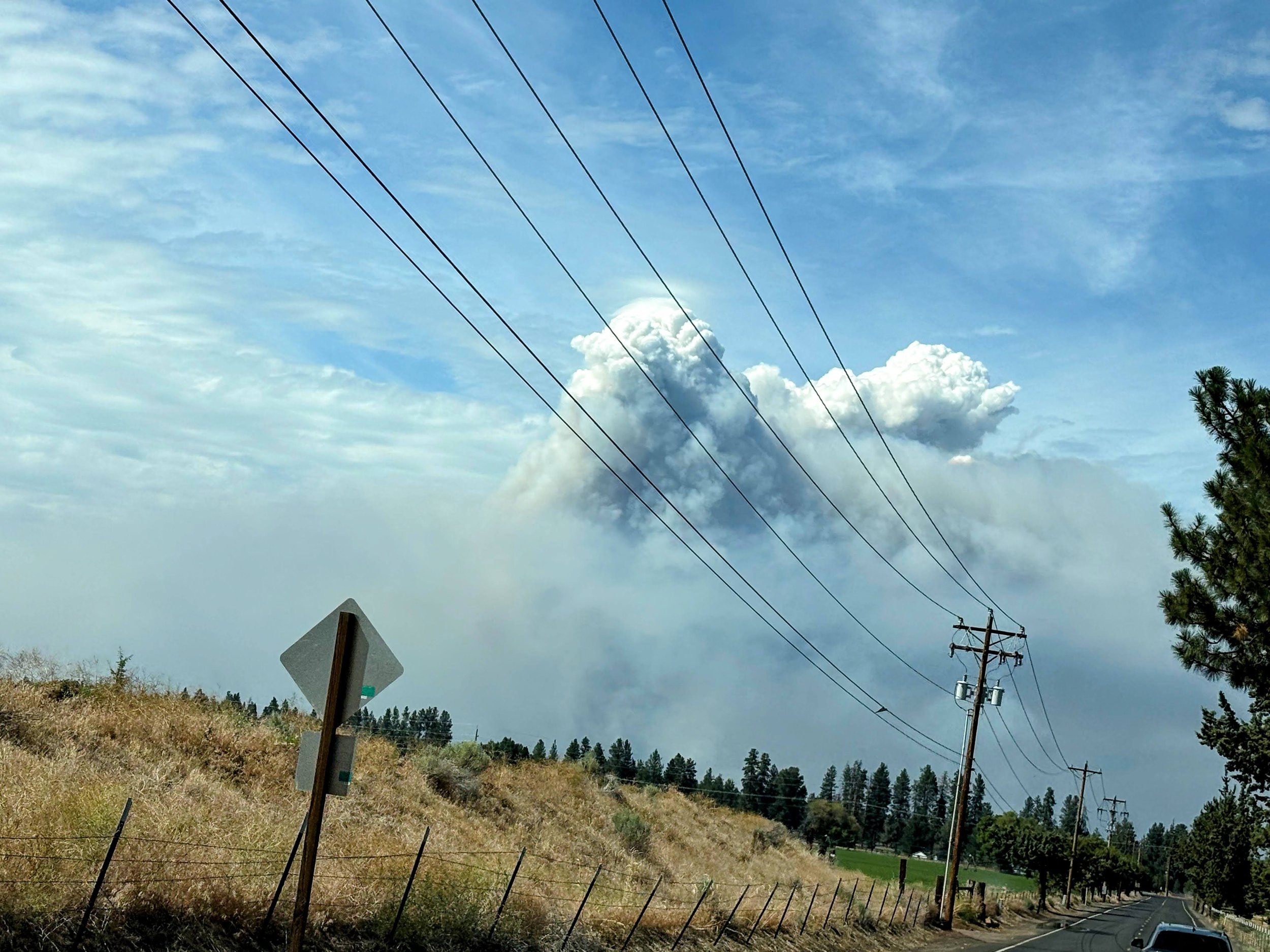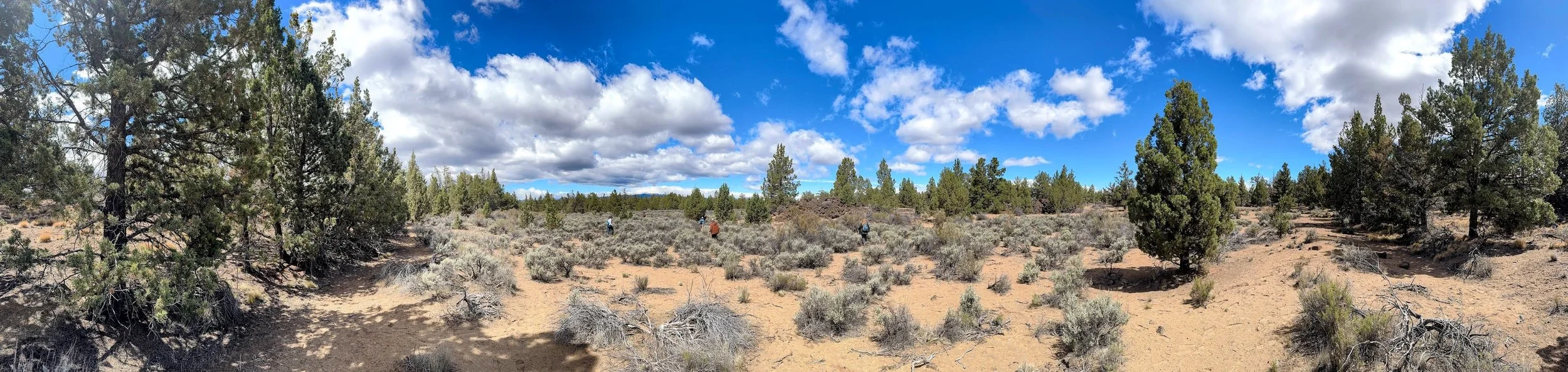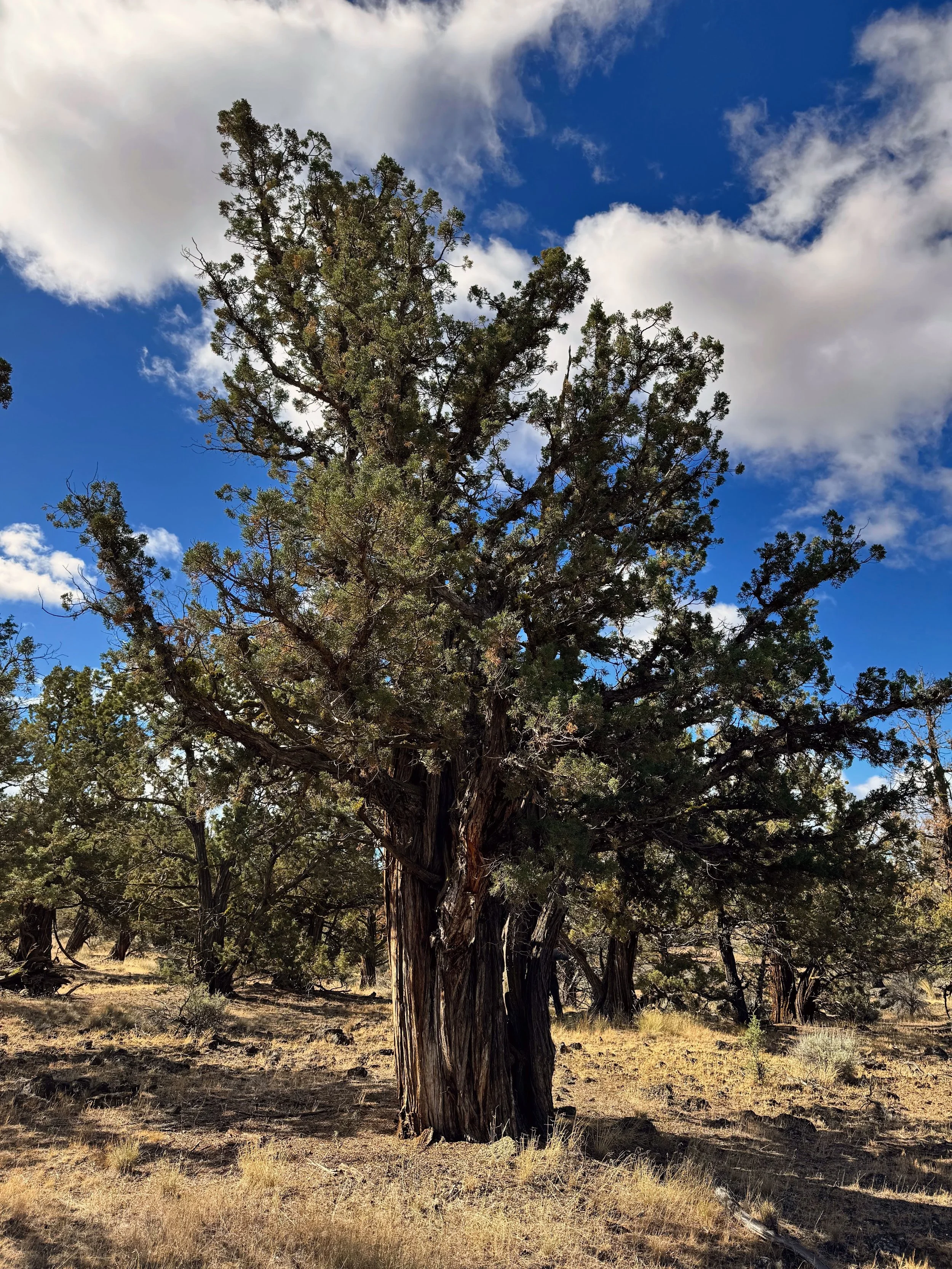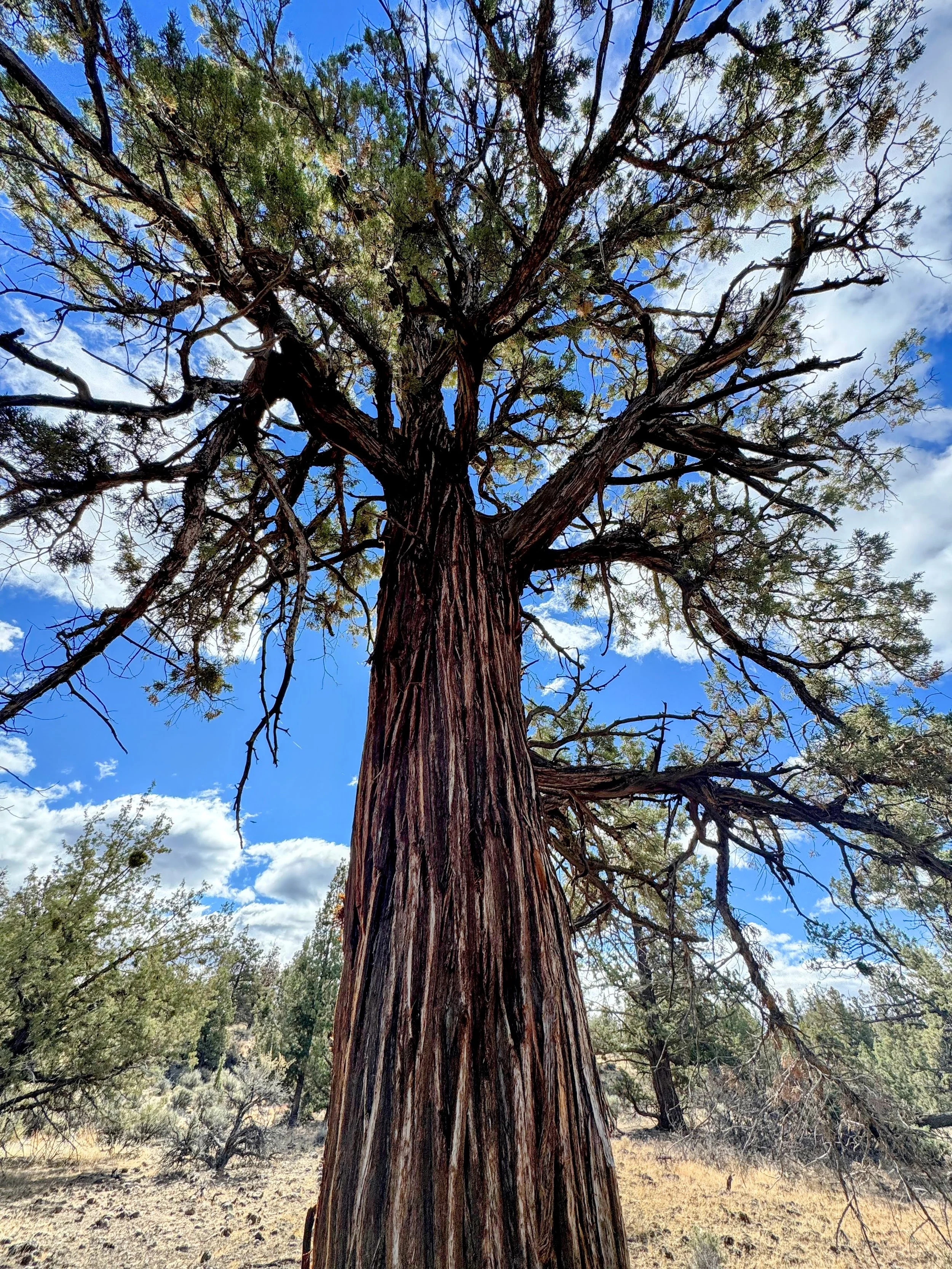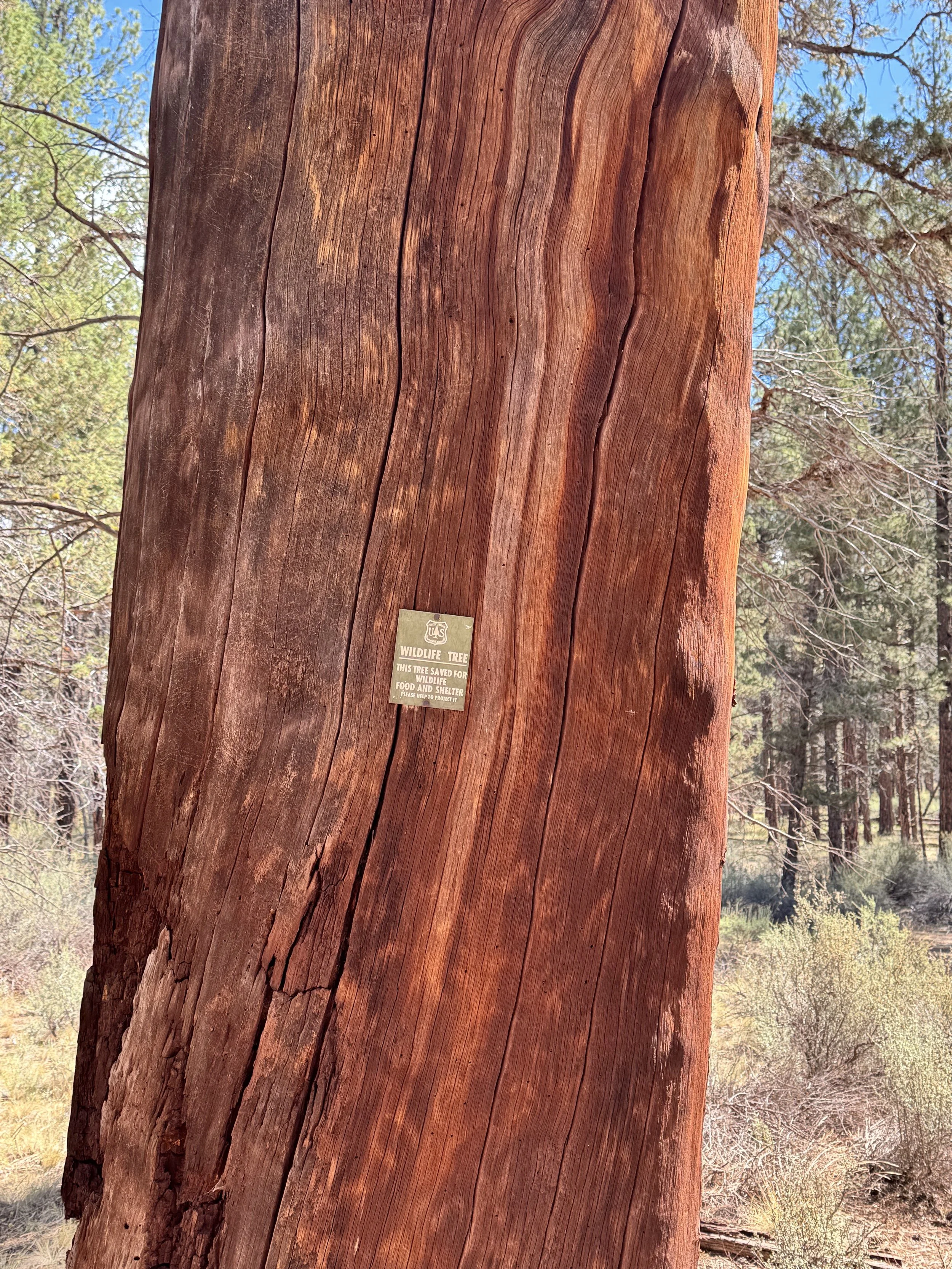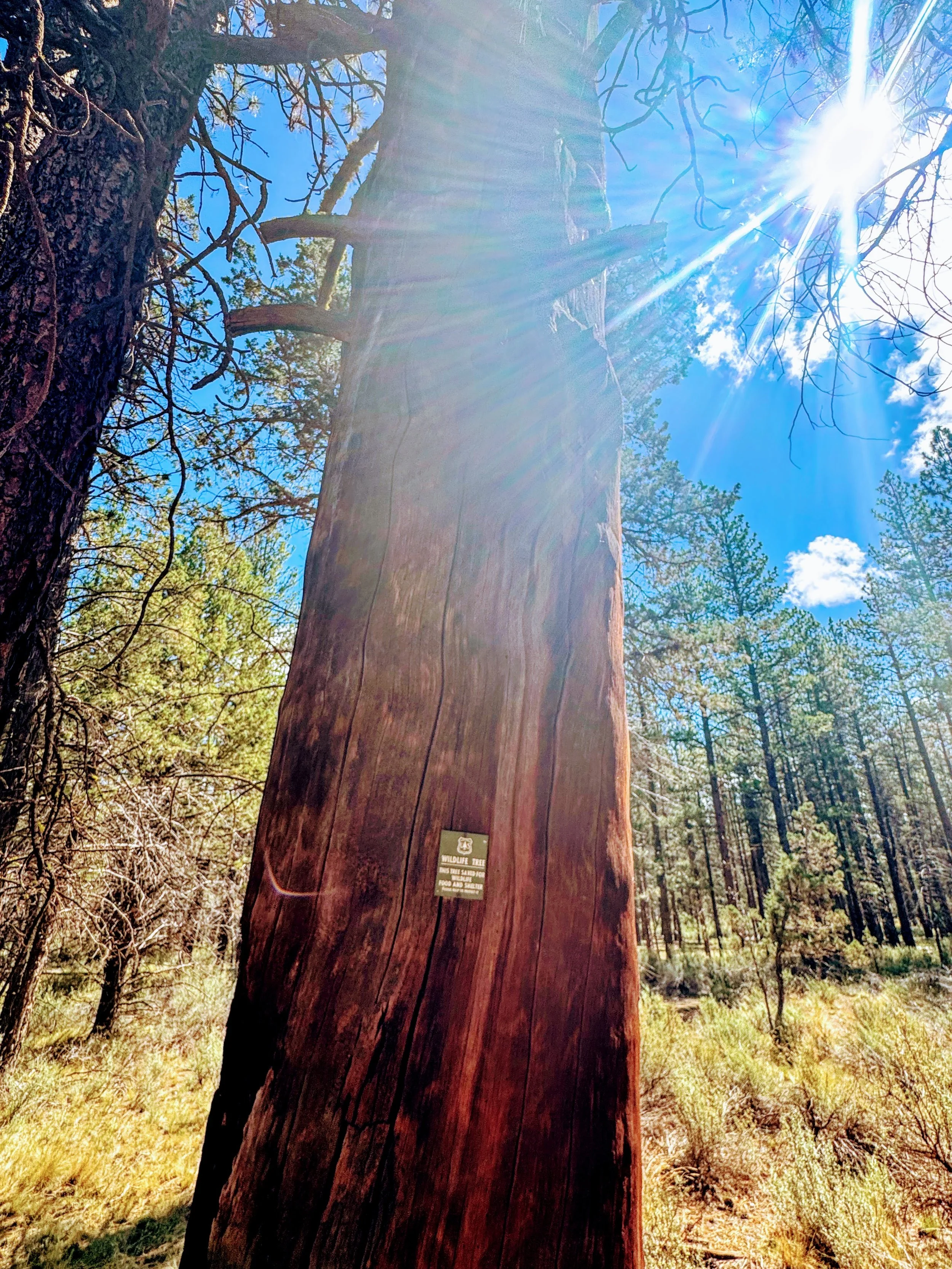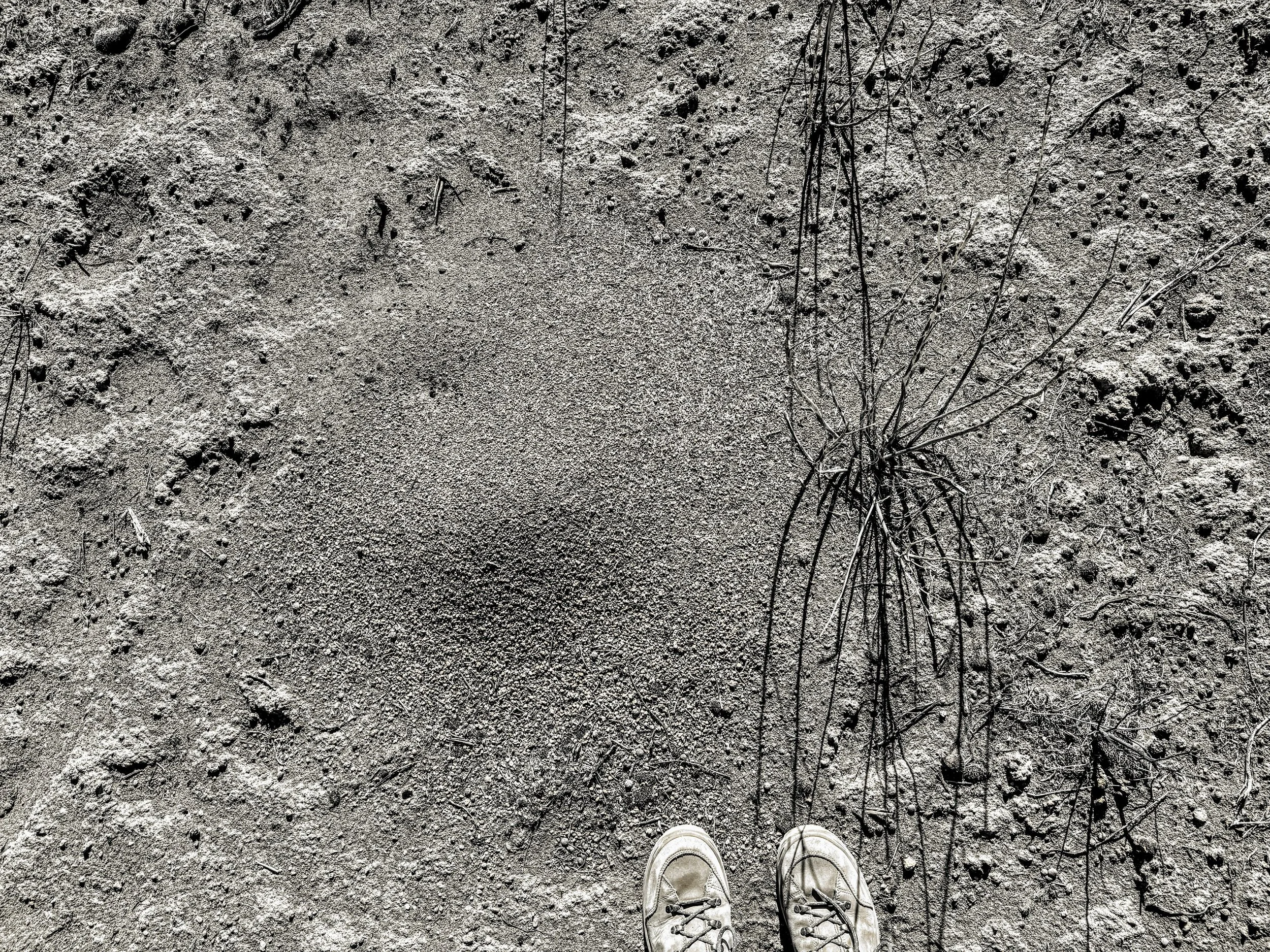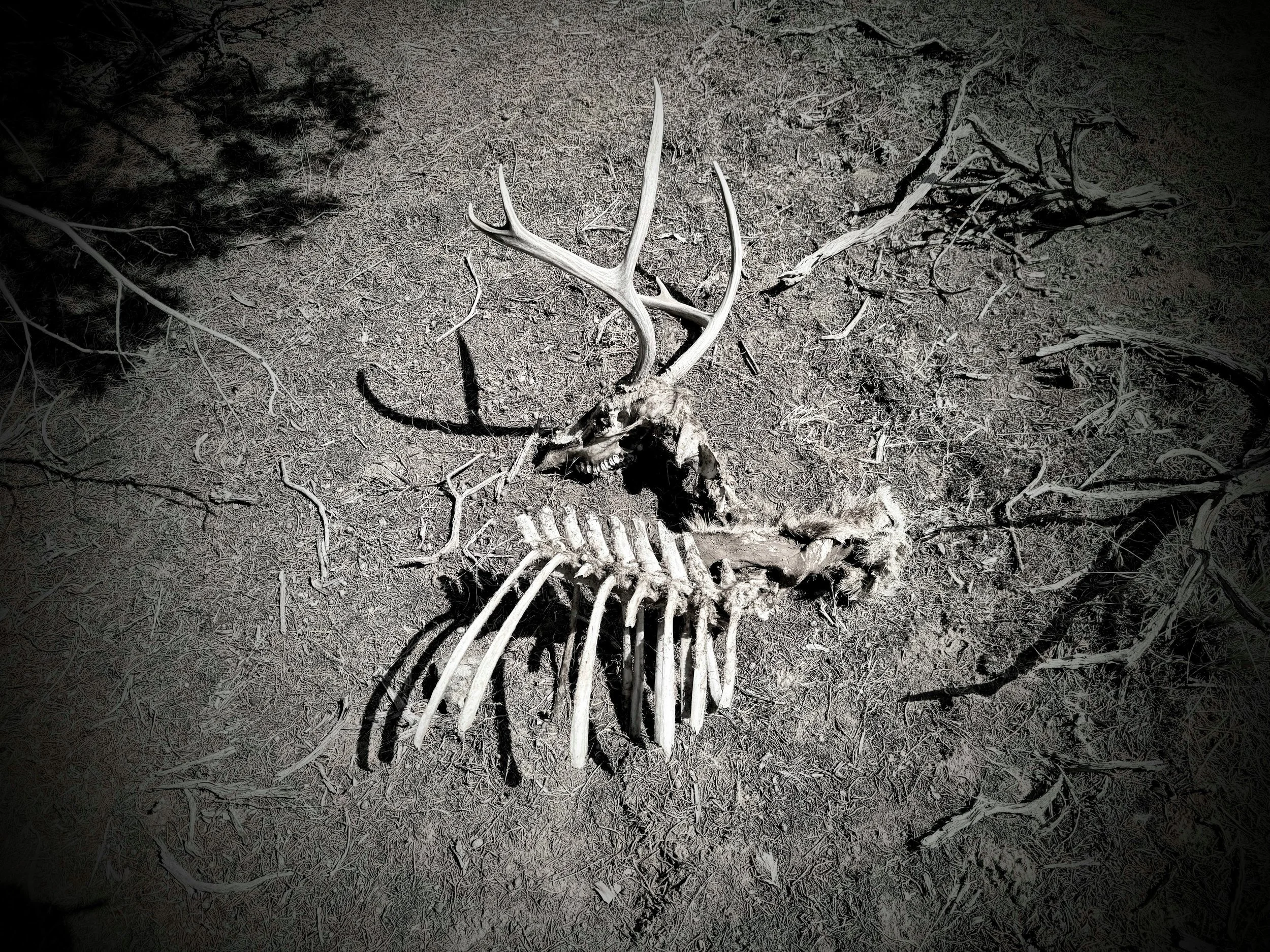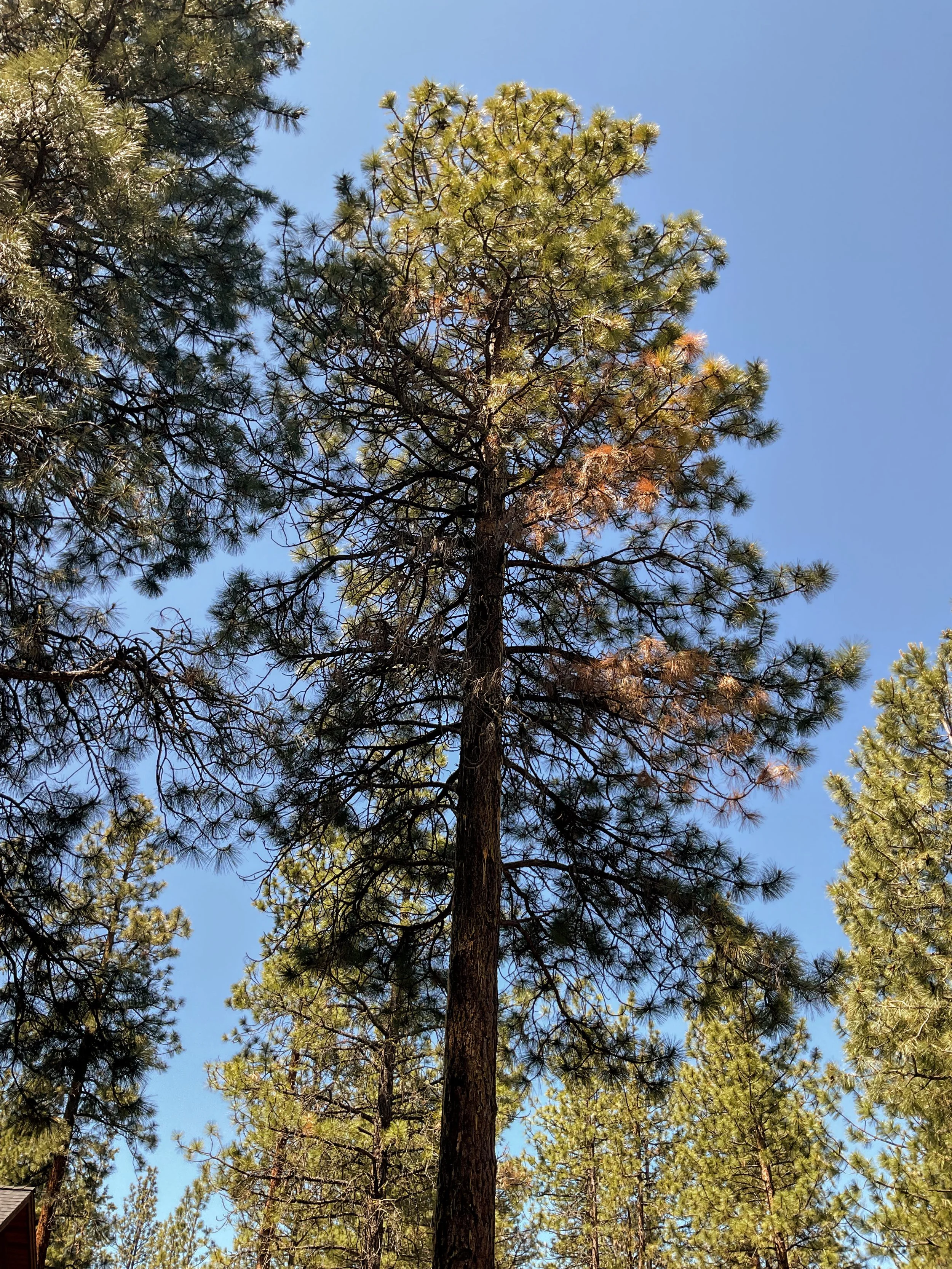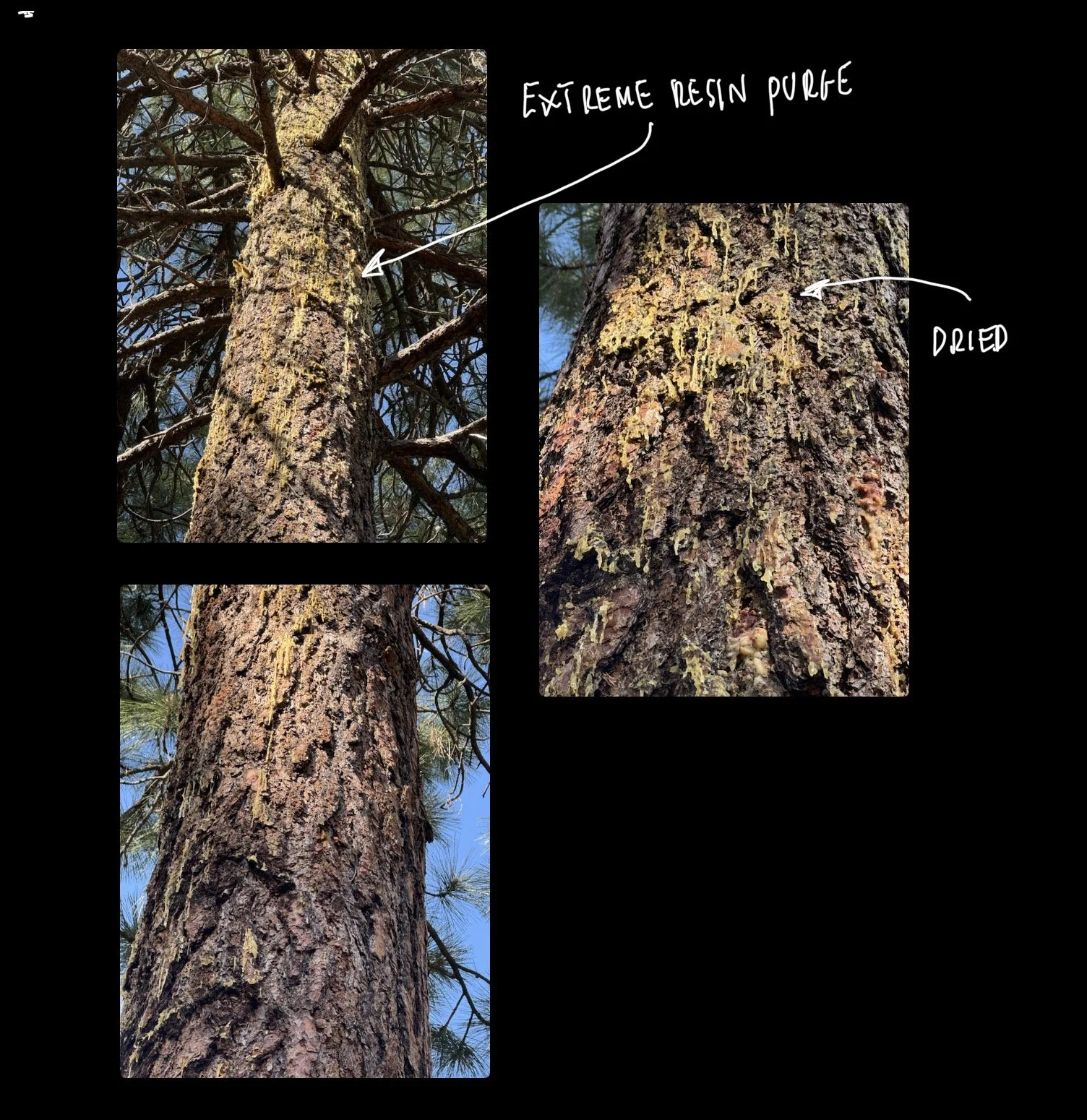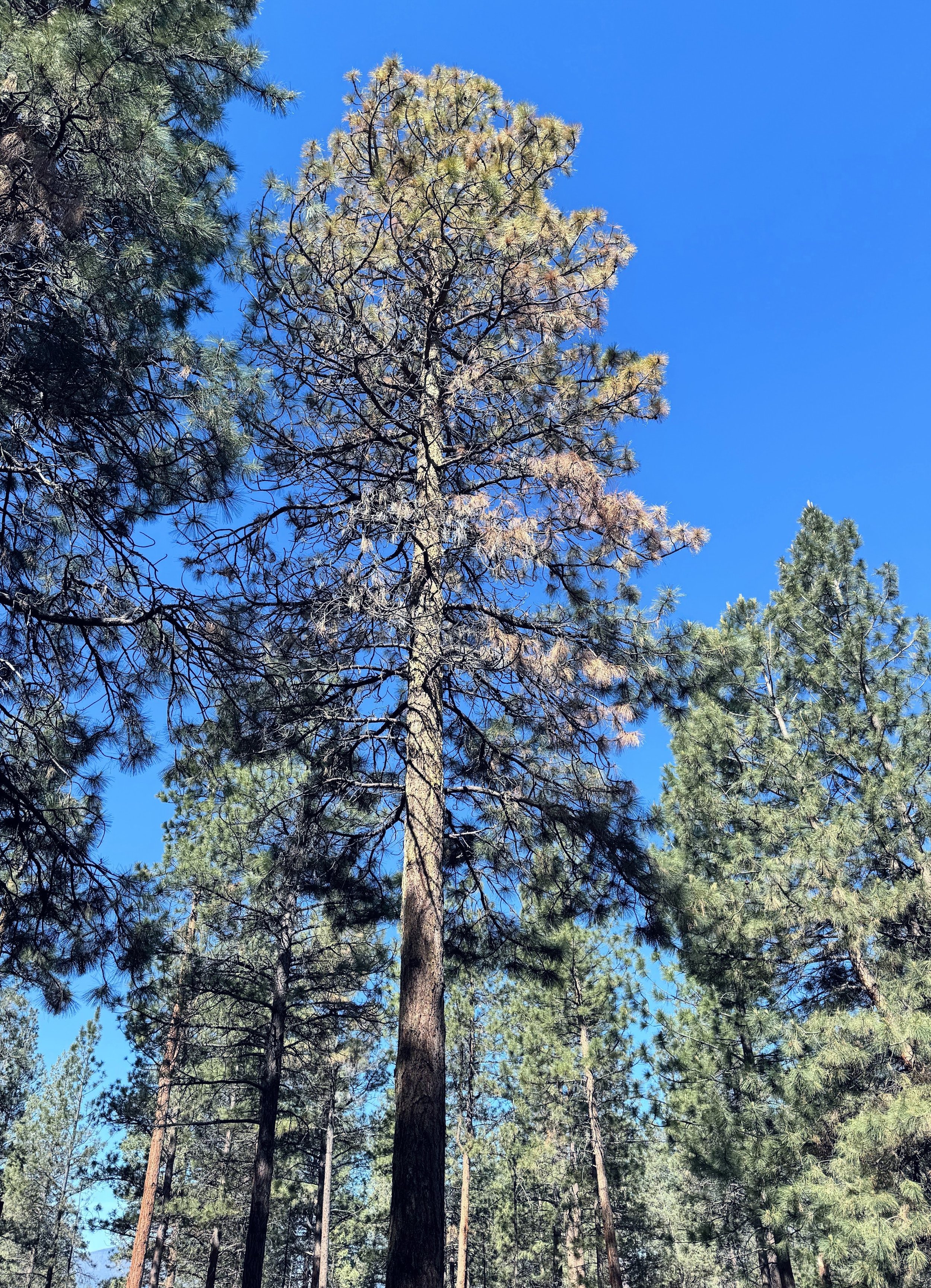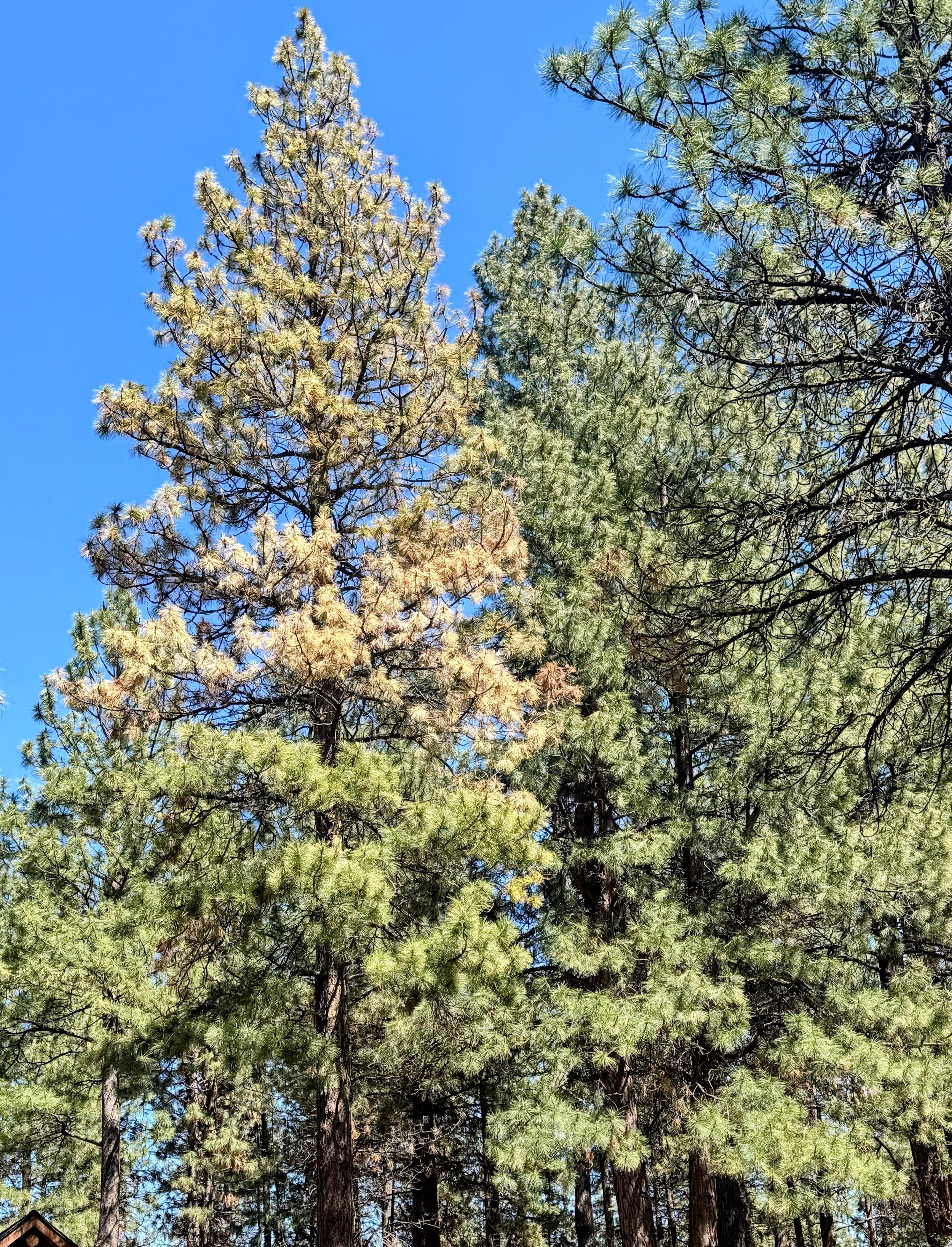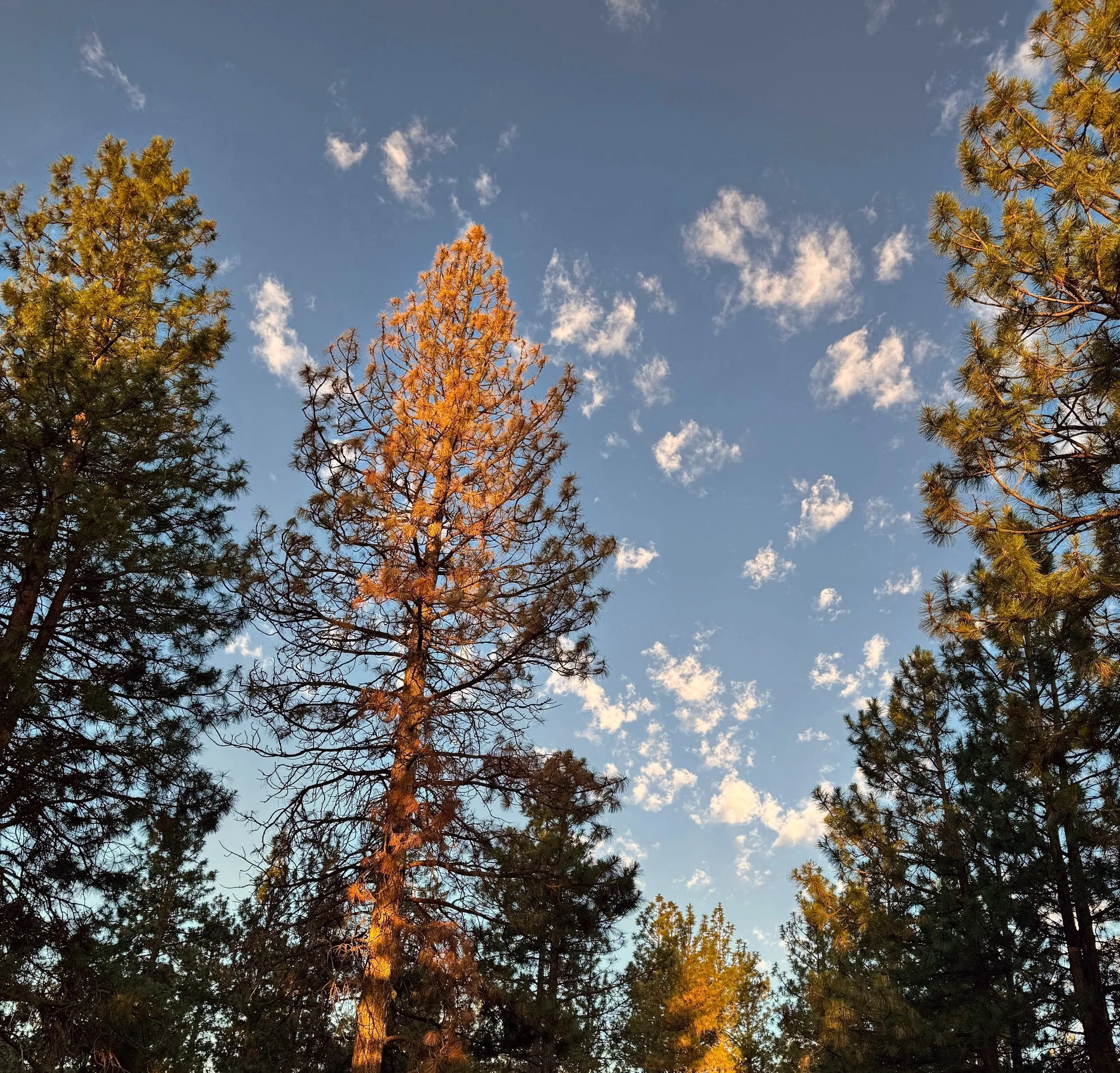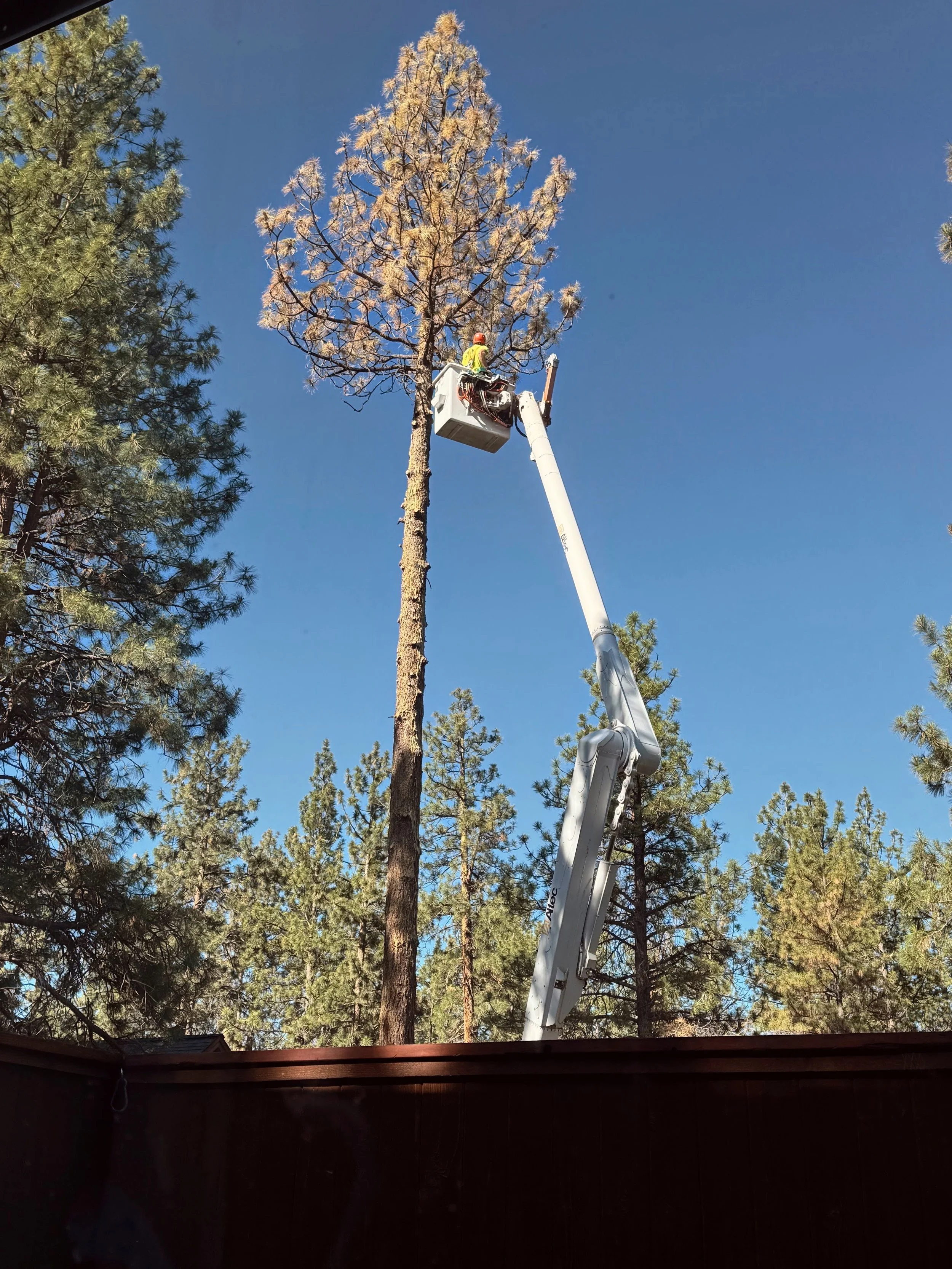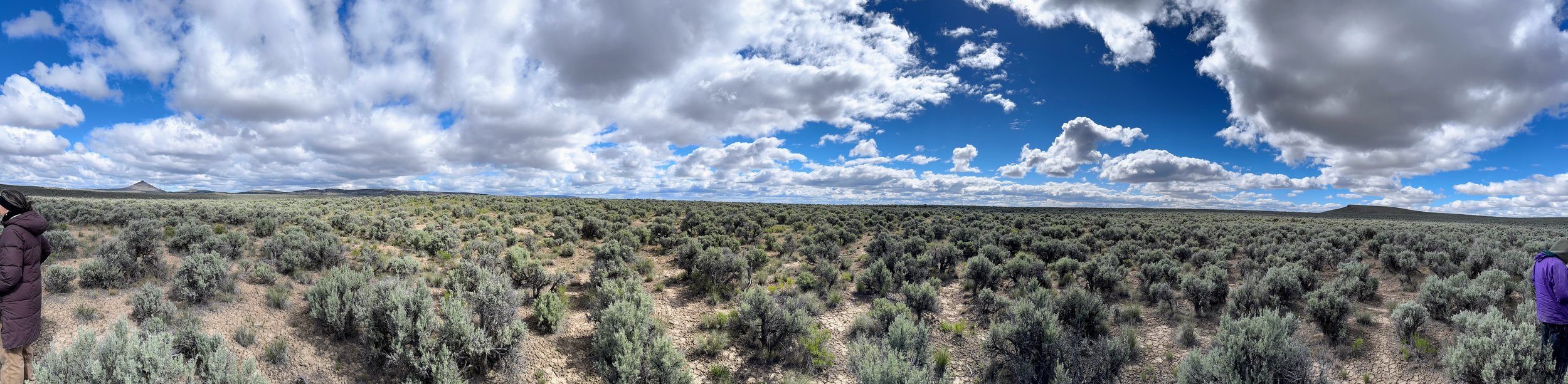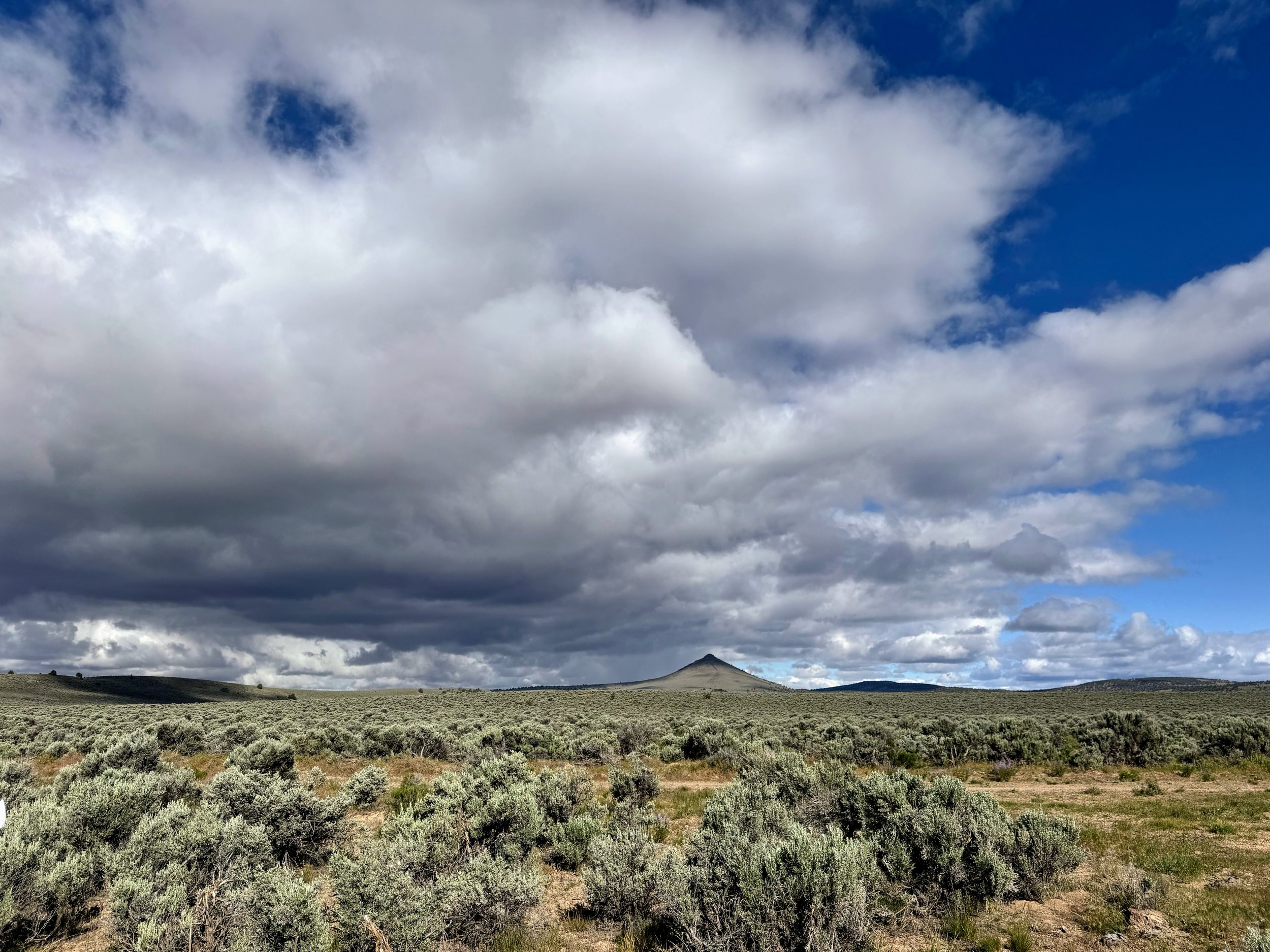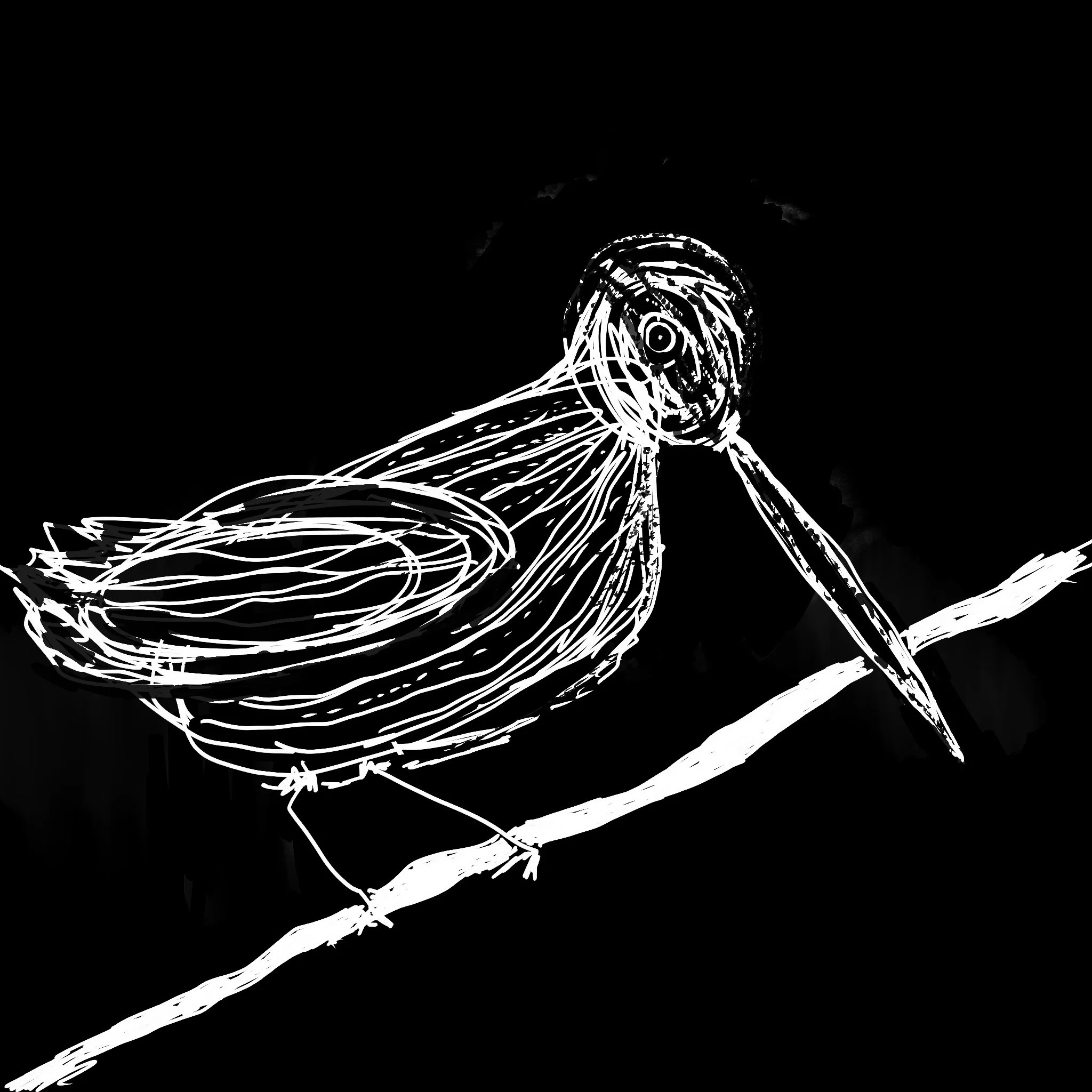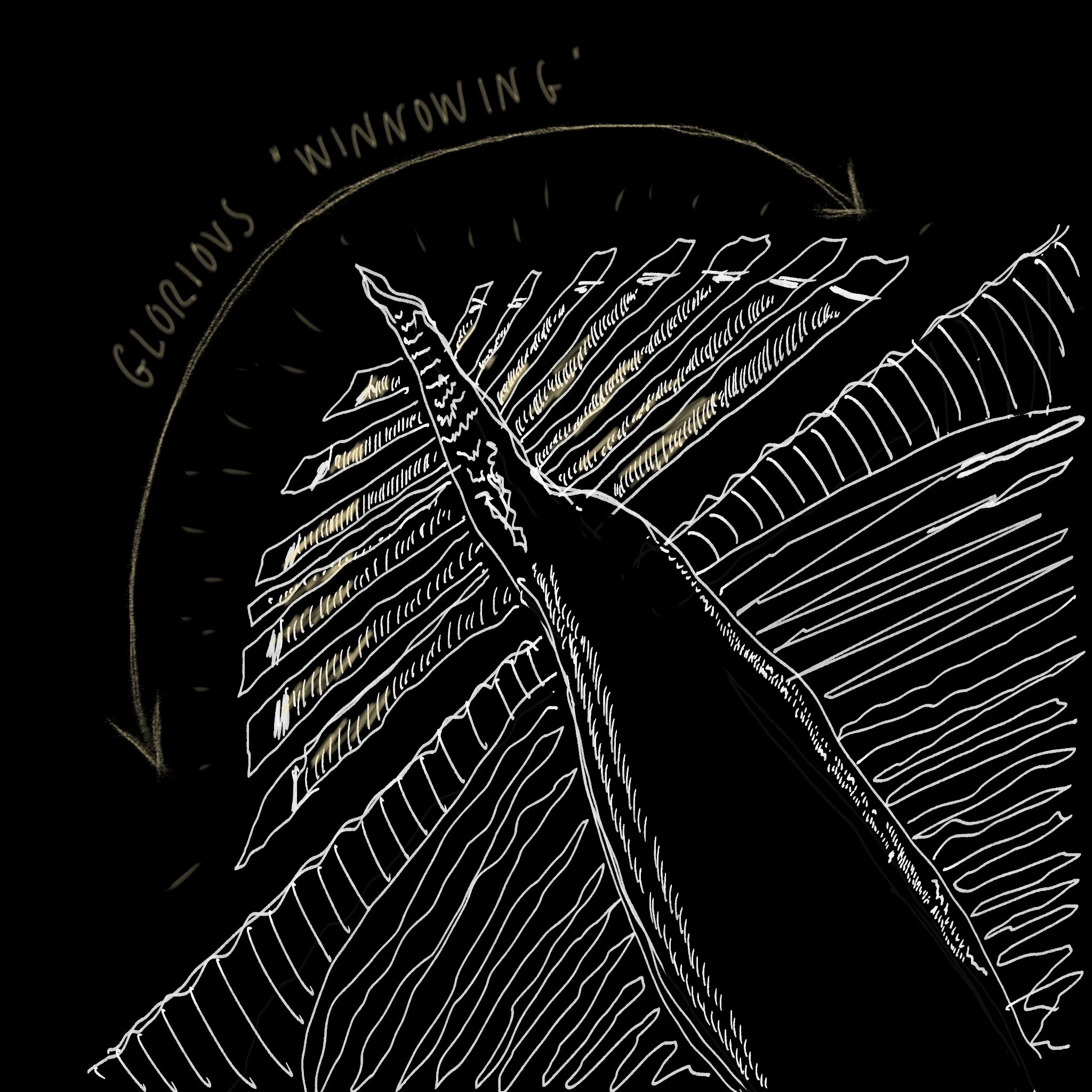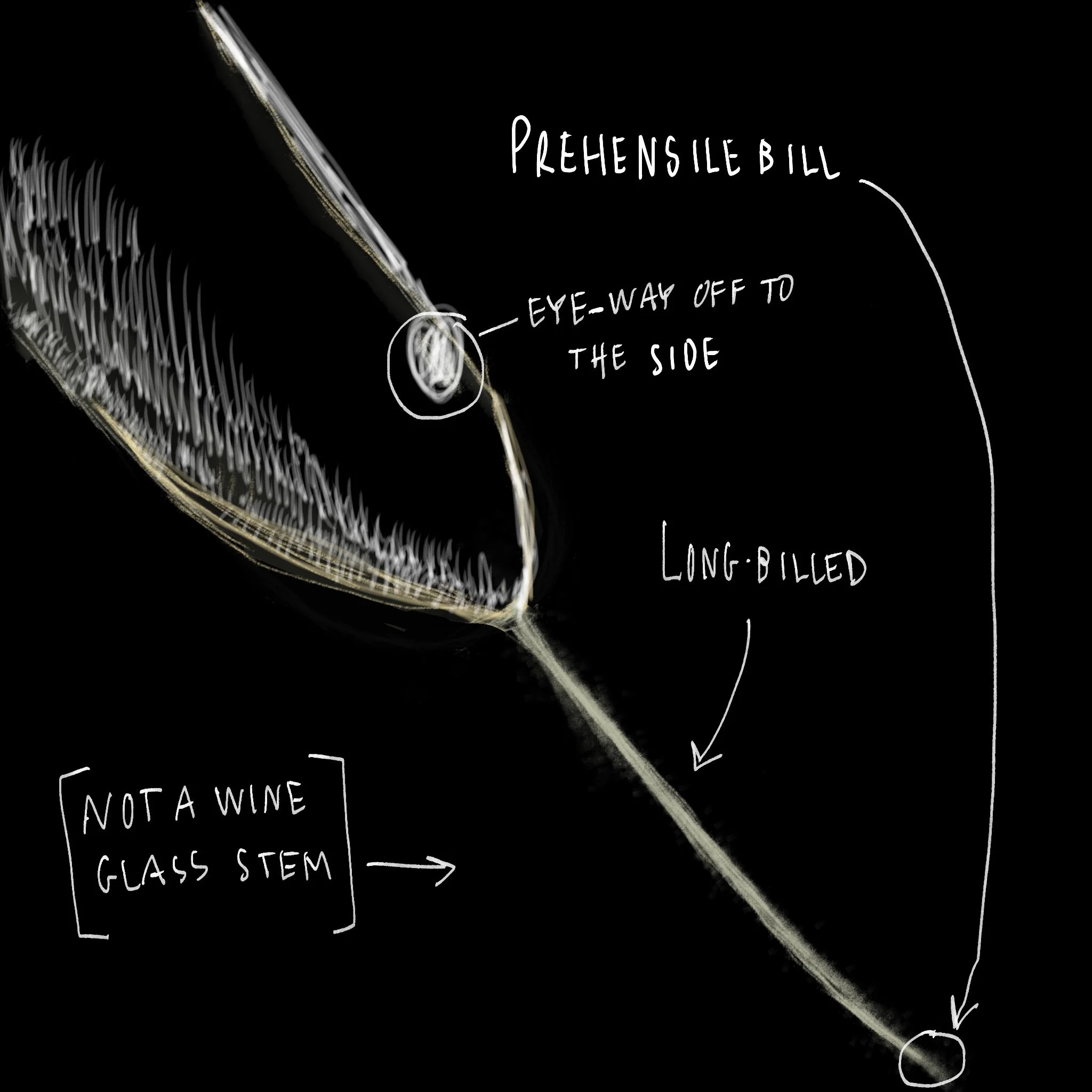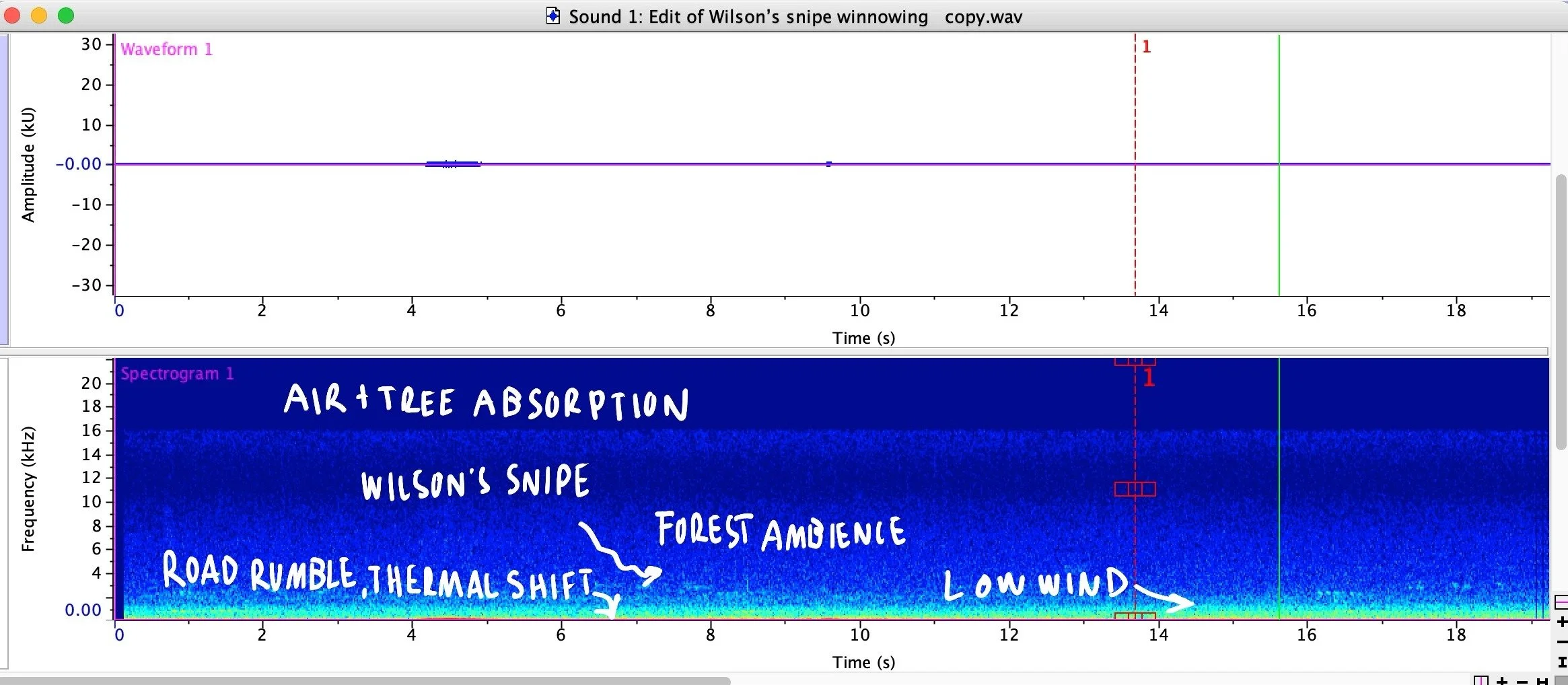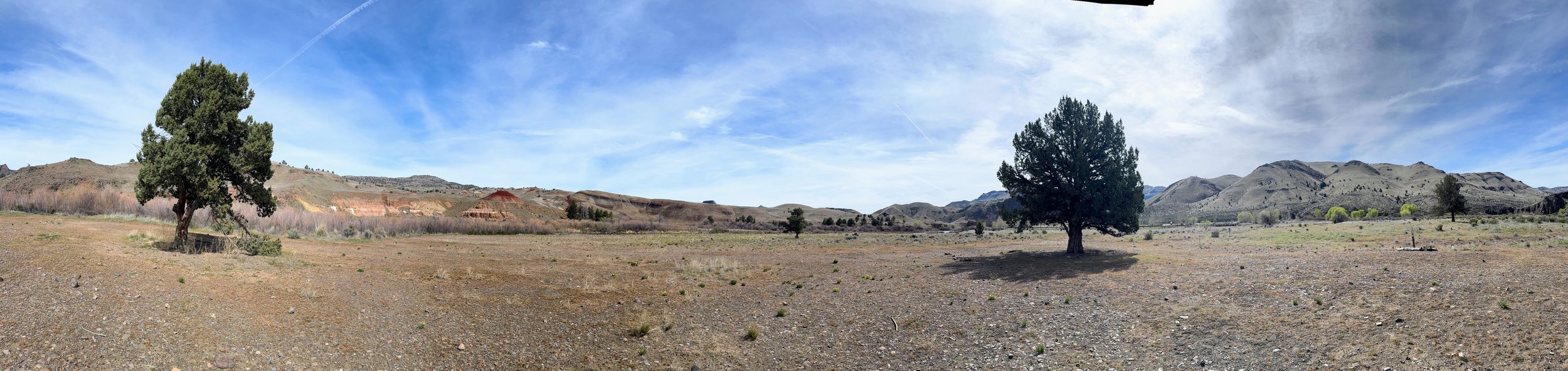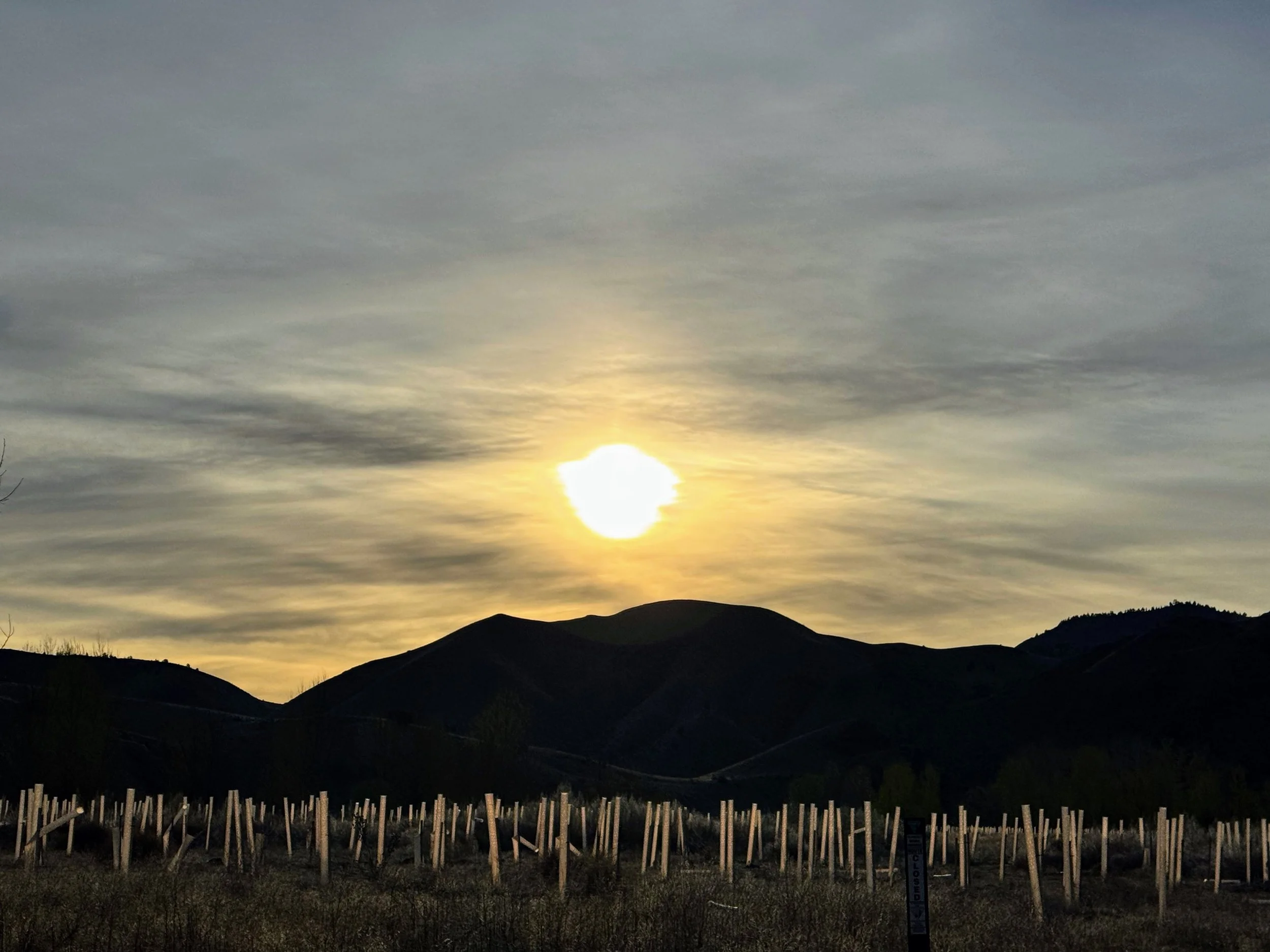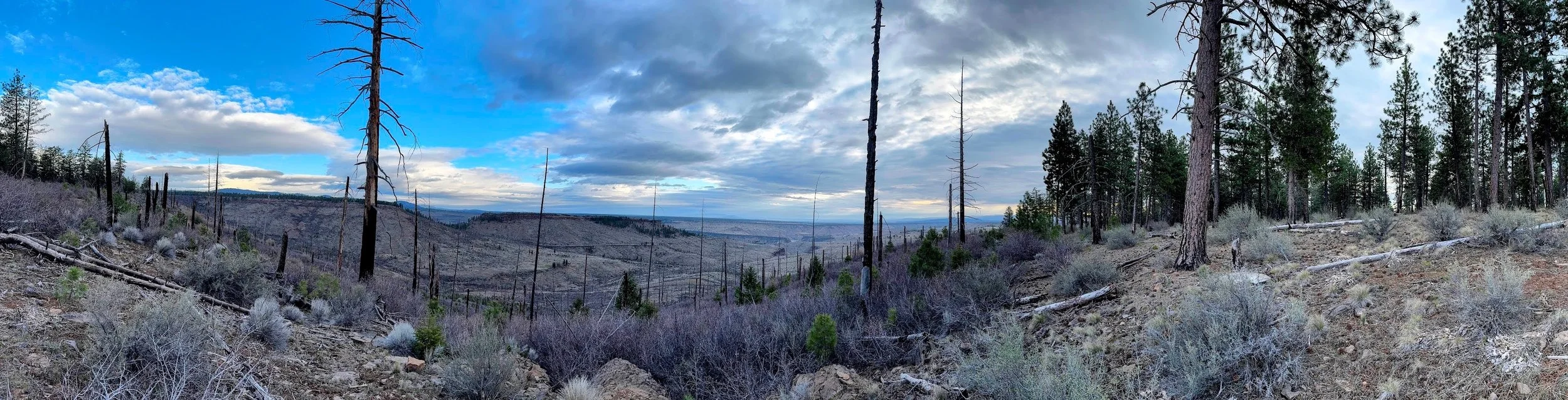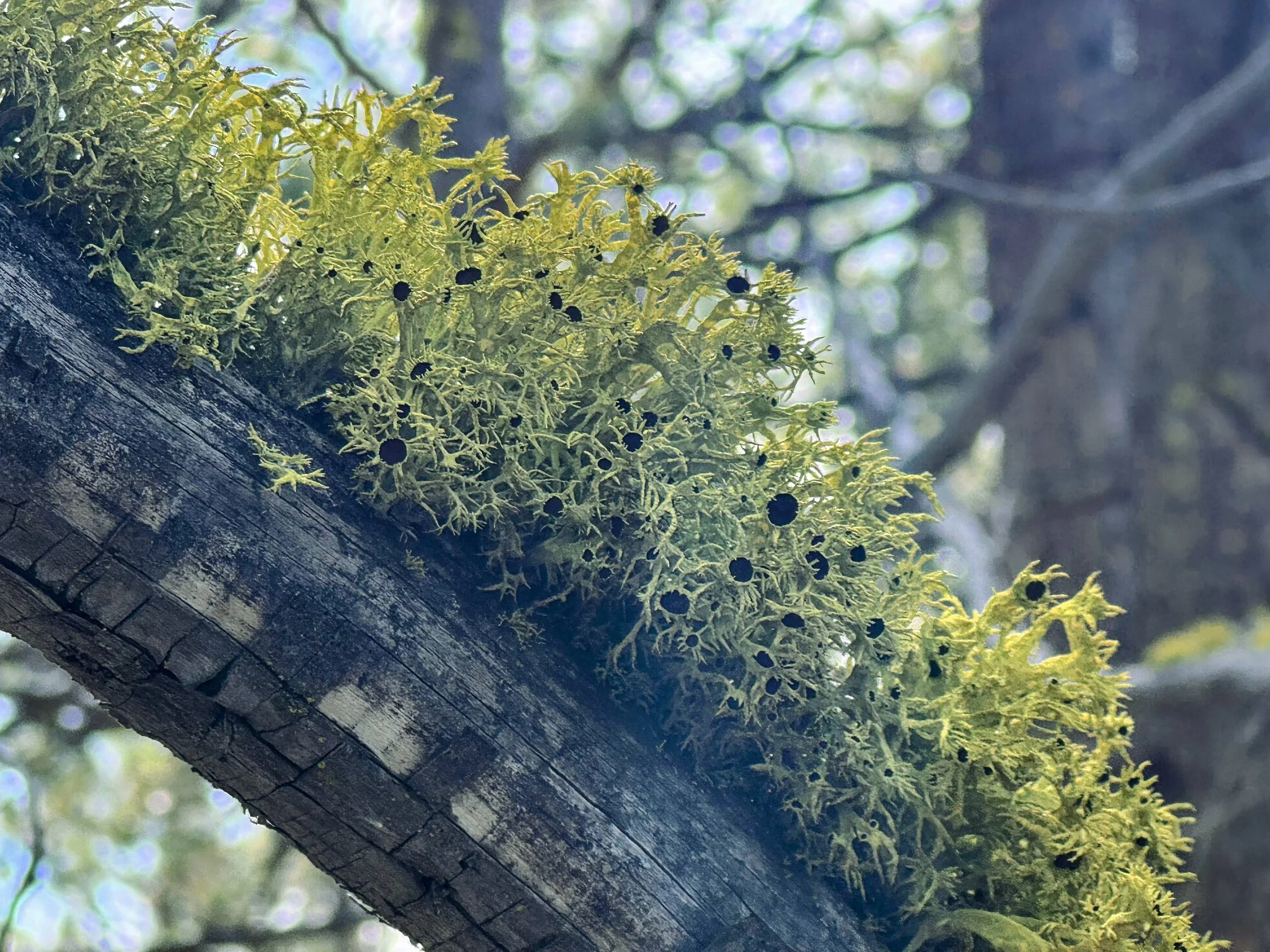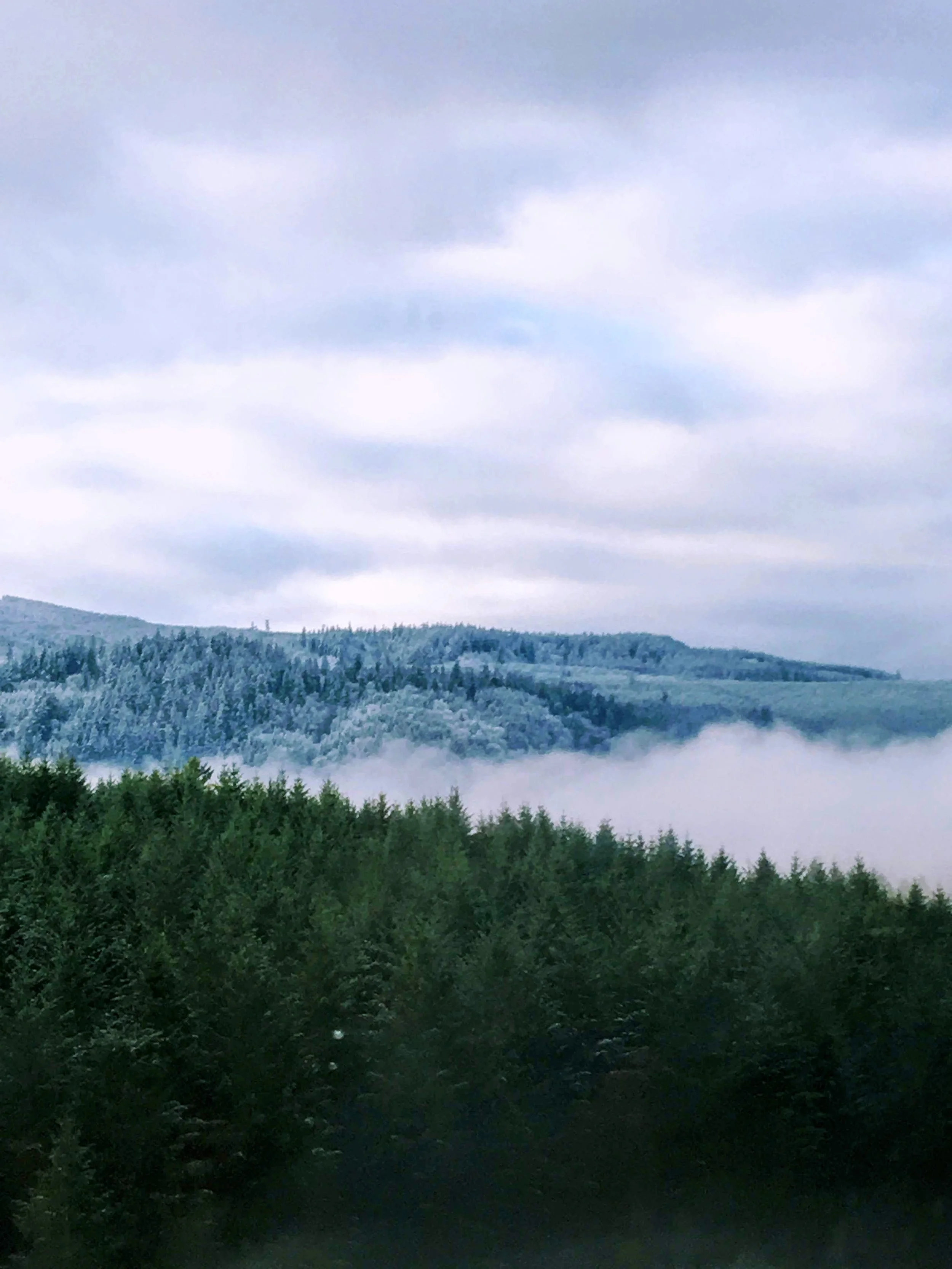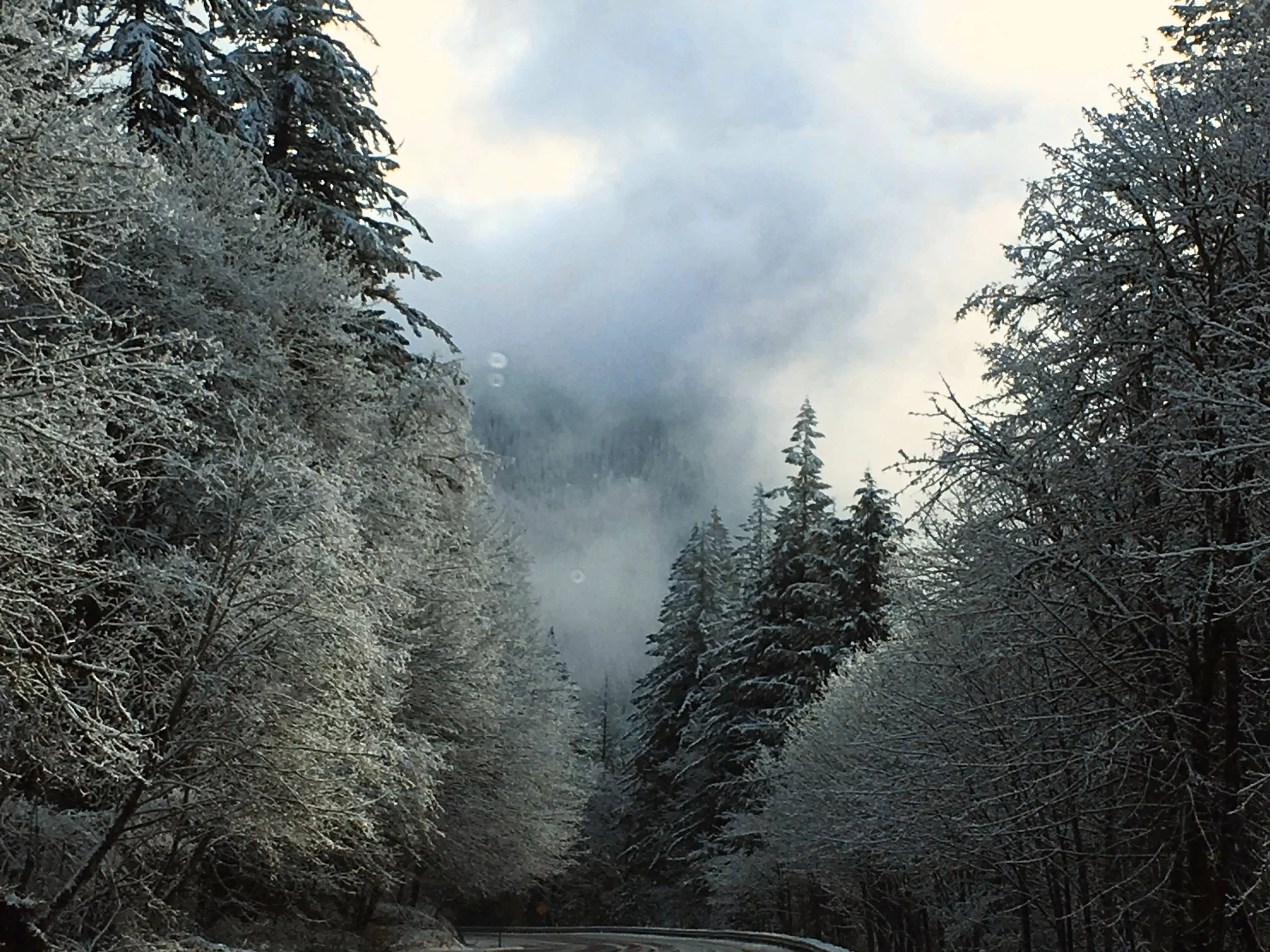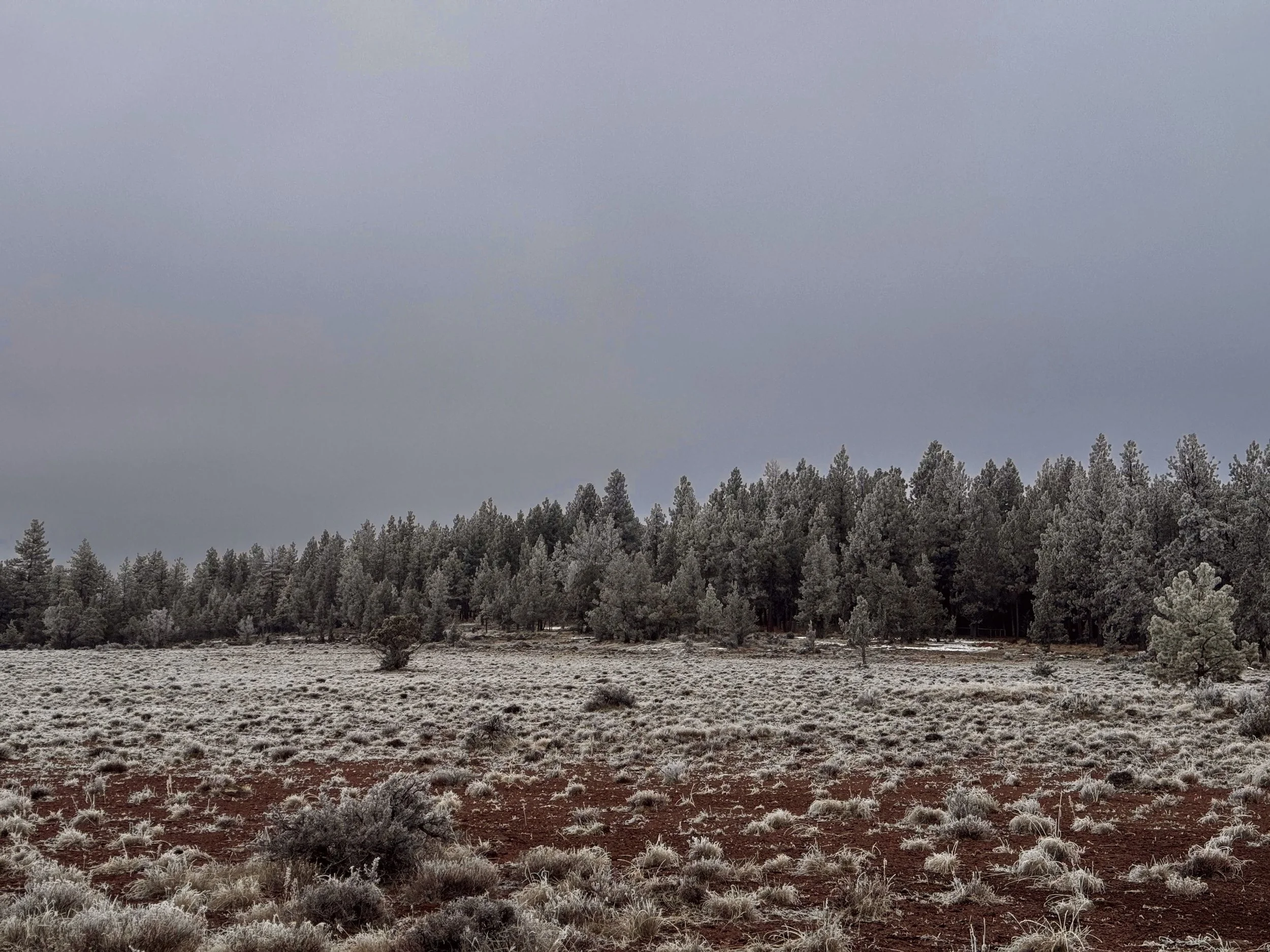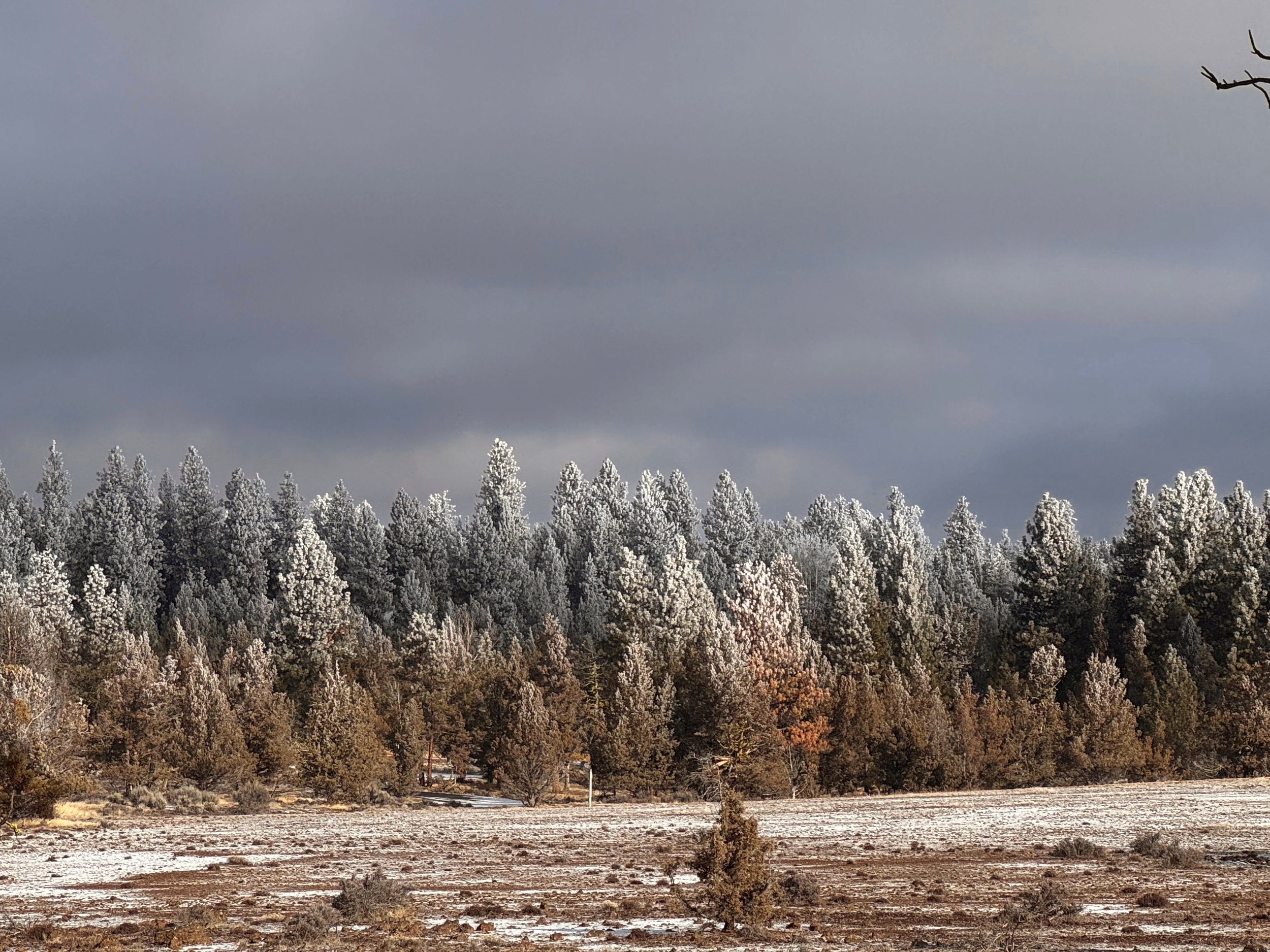
Woodland edges result in impressive avian activity. A mixed sky in the late afternoon, autumn. PNW | my personal archives.
I remember the first time I saw a bird eat a bird: it was probably 18 years ago, during a picnic in Griffith Park with my kids, under live oaks. The twisty branches and sprawling foliage shielded us from the hot afternoon sun.
While we sat on a blanket eating finger foods from little containers, a ruckus came from the canopy. A larger bird ate a smaller one. It was so aggressive and unexpected. I didn’t know much about birds, and I didn’t know it went down like that.
While this may be common knowledge to many, I thought: how did I get this far in life and not know this predator-prey outcome? How do we come to know what we know—by paying attention, by books & periodicals, by the company we keep, or by asking the best questions (or the worst)?
What I witnessed turned me into an emerging naturalist; I went from passive onlooker to active observer, an essential shift for anyone trying to understand nature scientifically. The wanderlust naturalist bug bit me for going off the grid rather than deeper and farther into urban life, its cultural vibes, and art centers.
And I had forgotten my origin story about avian predation until I recently walked outside with the dogs and my daughter, all these years later, a thriving athlete-scientist, back on fall break. She said, "Look," and pointed.
Two ravens sat on the fence, facing each other and eating a bird. They heard the dogs, dropped the bird, and flew up into the tops of the ponderosa pines. Their wingspan looked like two large black capes floating in the air.
We walked over to find the carnage—its beak’s surgical slice down the thoracic cavity, guts pulled out and on the fence post. Feathers sprinkled all over the ground.
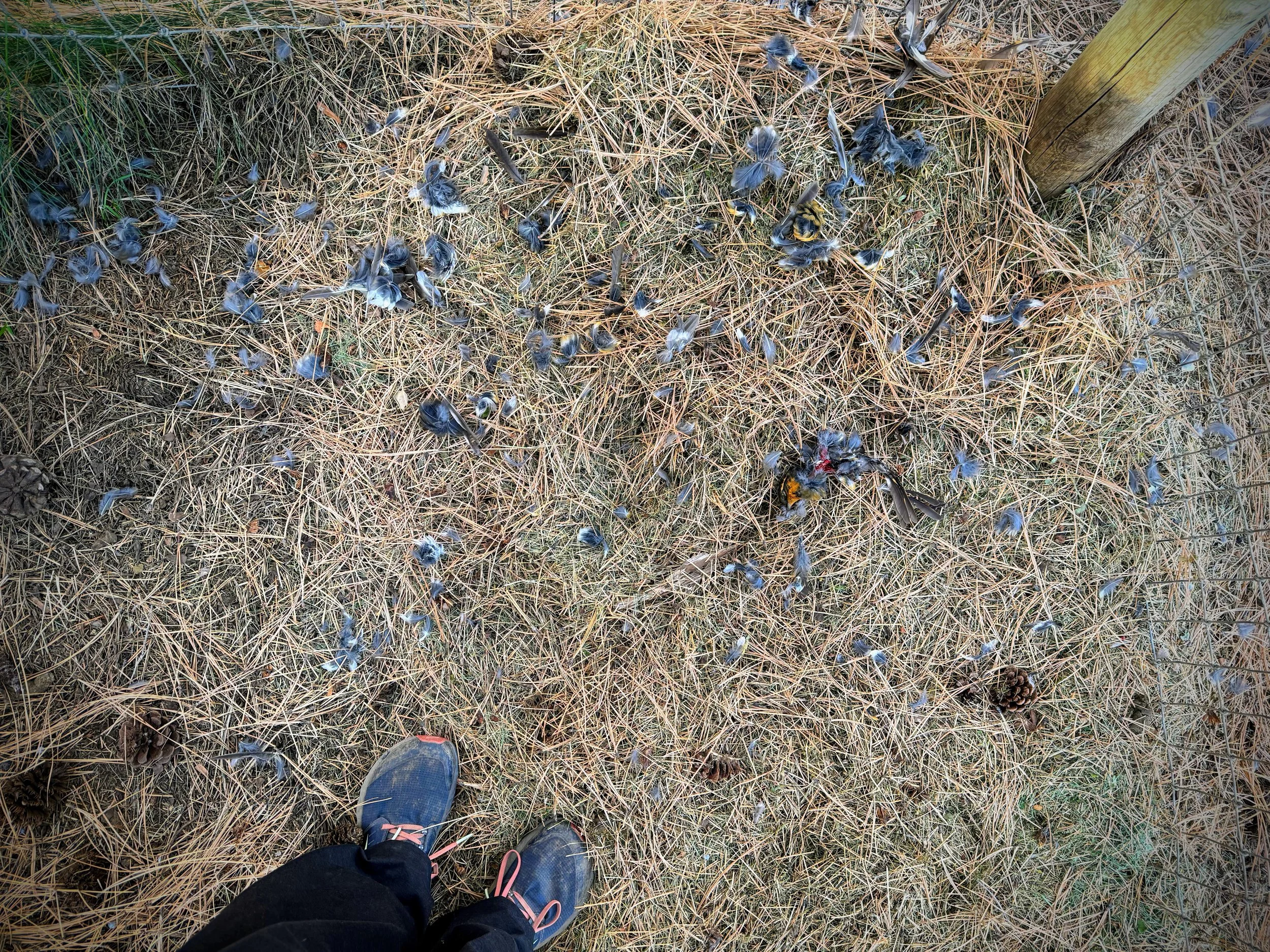
Avian predation aftermath of feathers and body scattered throughout the pine needles. PNW | 2026
“Guts look like a worm,” she said. We both leaned closer to look.
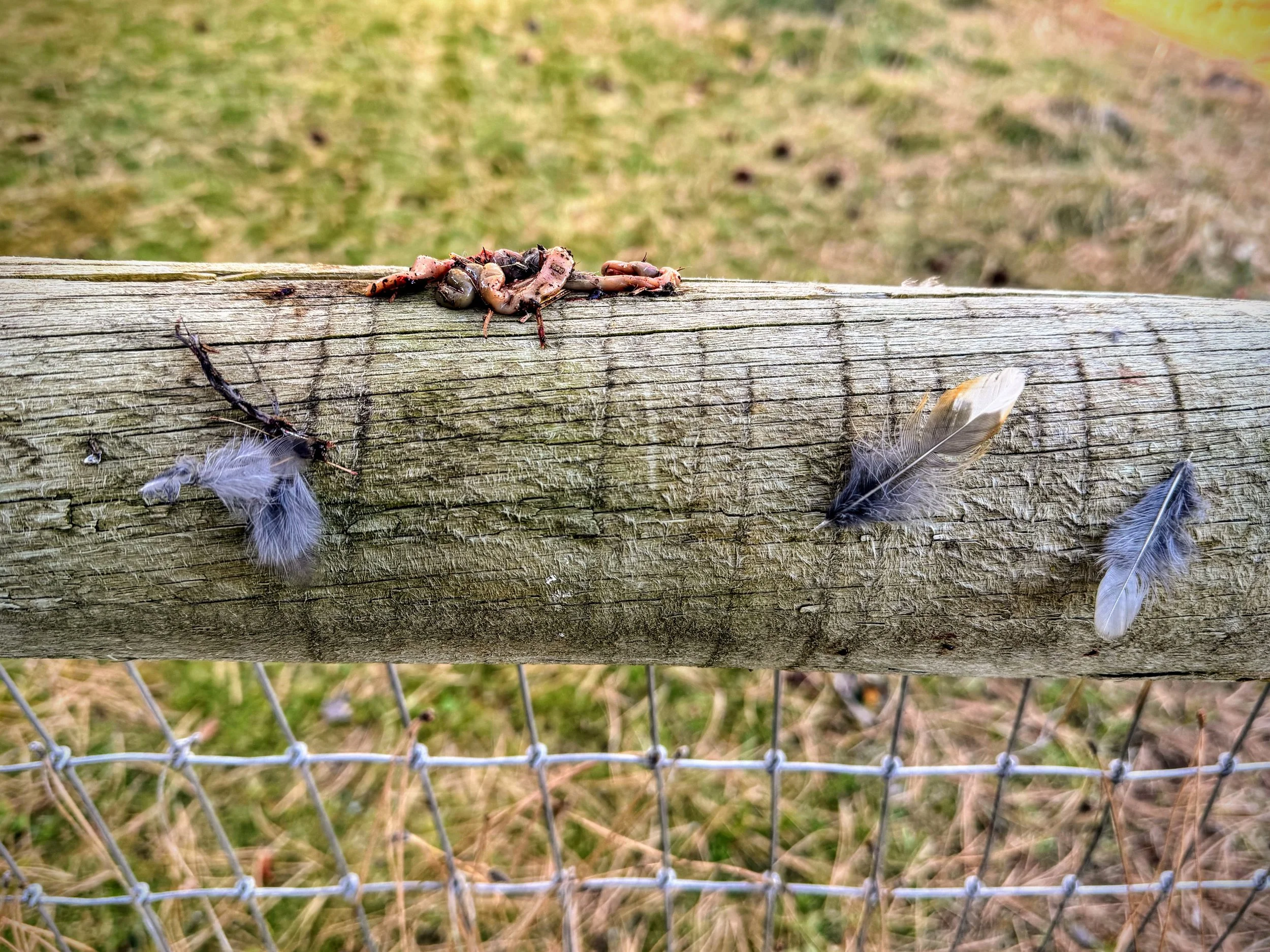
More avian predation aftermath (feathers and viscera) on the fence. PNW | 2026
With a shovel, I moved the bird’s body to the other side of the fence so the dogs wouldn’t inspect it. My attempt to move the gut made it fall and hang on the fence wire like a wet sock.
I was expecting the ravens to come back for their carcass. And when I checked a couple of days later, something in the ecosystem had finished it. Being outdoors offers a lifetime of discovery and reinforces the scientific mindset. My goal each week is to open my senses and stumble into nature’s unscripted moments.
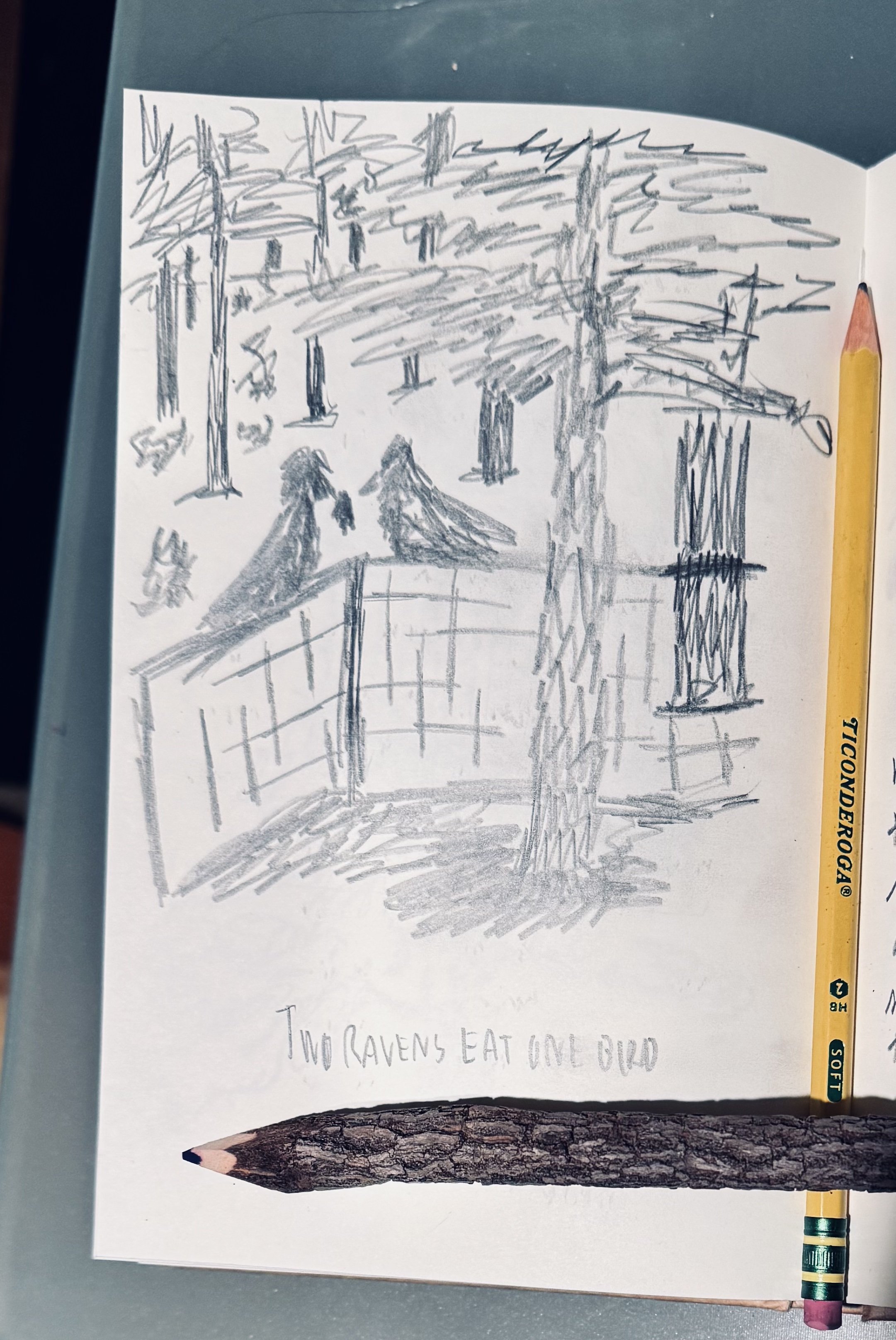
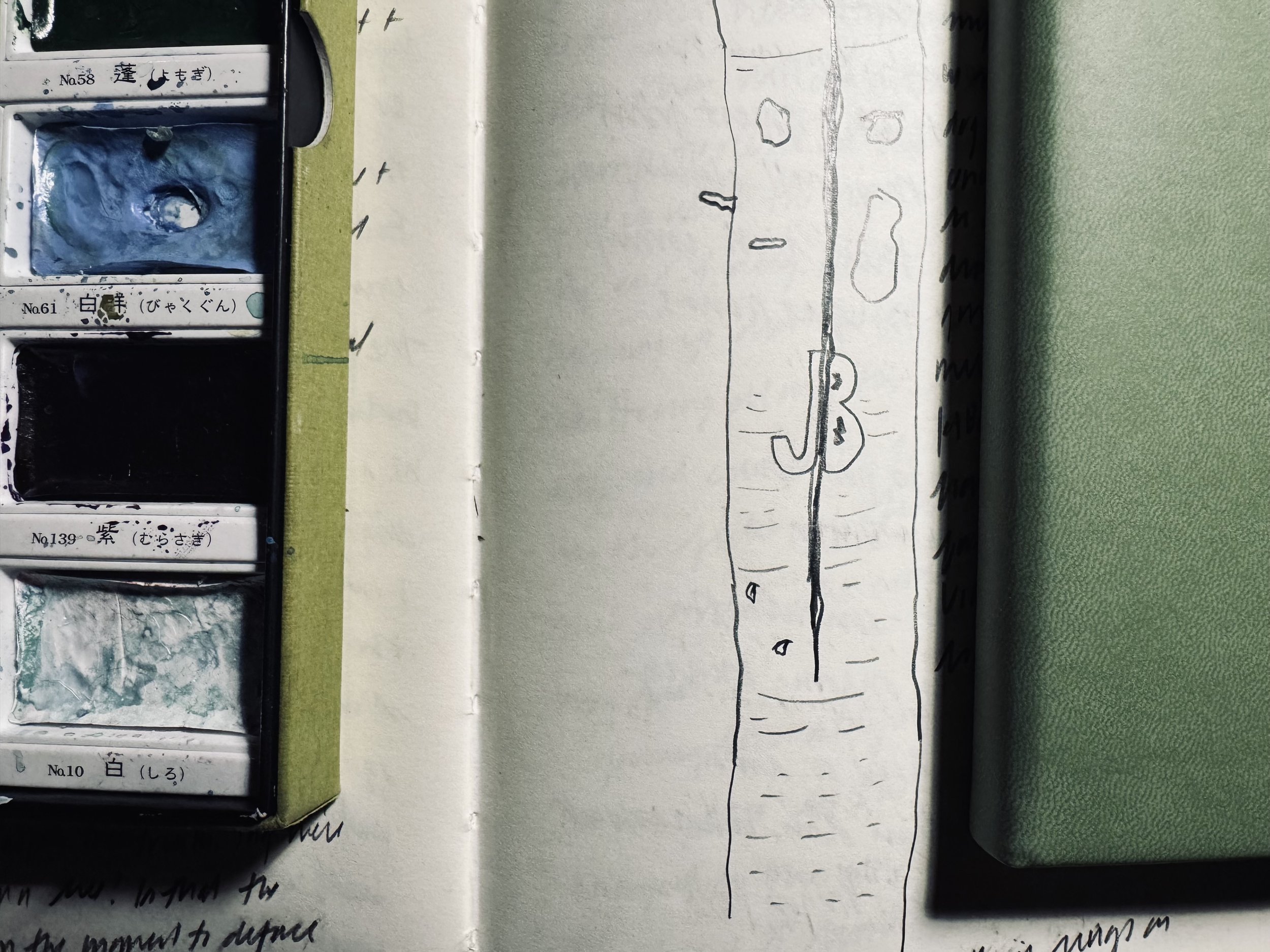
Quick sketch in my field notebook. PNW | 2026
The ravens are still around. The shrill chittering or croaking vocalizations come down from the tops of the pines. They weren’t here all summer, but they're residents here deep into autumn. I need to find out why they’ve arrived now. This is another question I’ve written down in my field notebook—one observation to research at a time.
Additional Resources:
Charlotte Le Marquand, et al. Predation-mediated edge effects on wader nests in rural landscapes vary between species, and with distance to woodland and woodland type. Global Ecology and Conservation, Volume 71, 2026, e04449, ISSN 2351-9894, DOI: 10.1016/j.gecco.2026.e04449.
Young, A. C., Katzner, T. E., Shinneman, D. J., & Johnson, T. N. (2023). Implications of tree expansion in shrubland ecosystems for two generalist avian predators. PLOS ONE, 18(6), e0286478. https://doi.org/10.1371/journal.pone.0286478