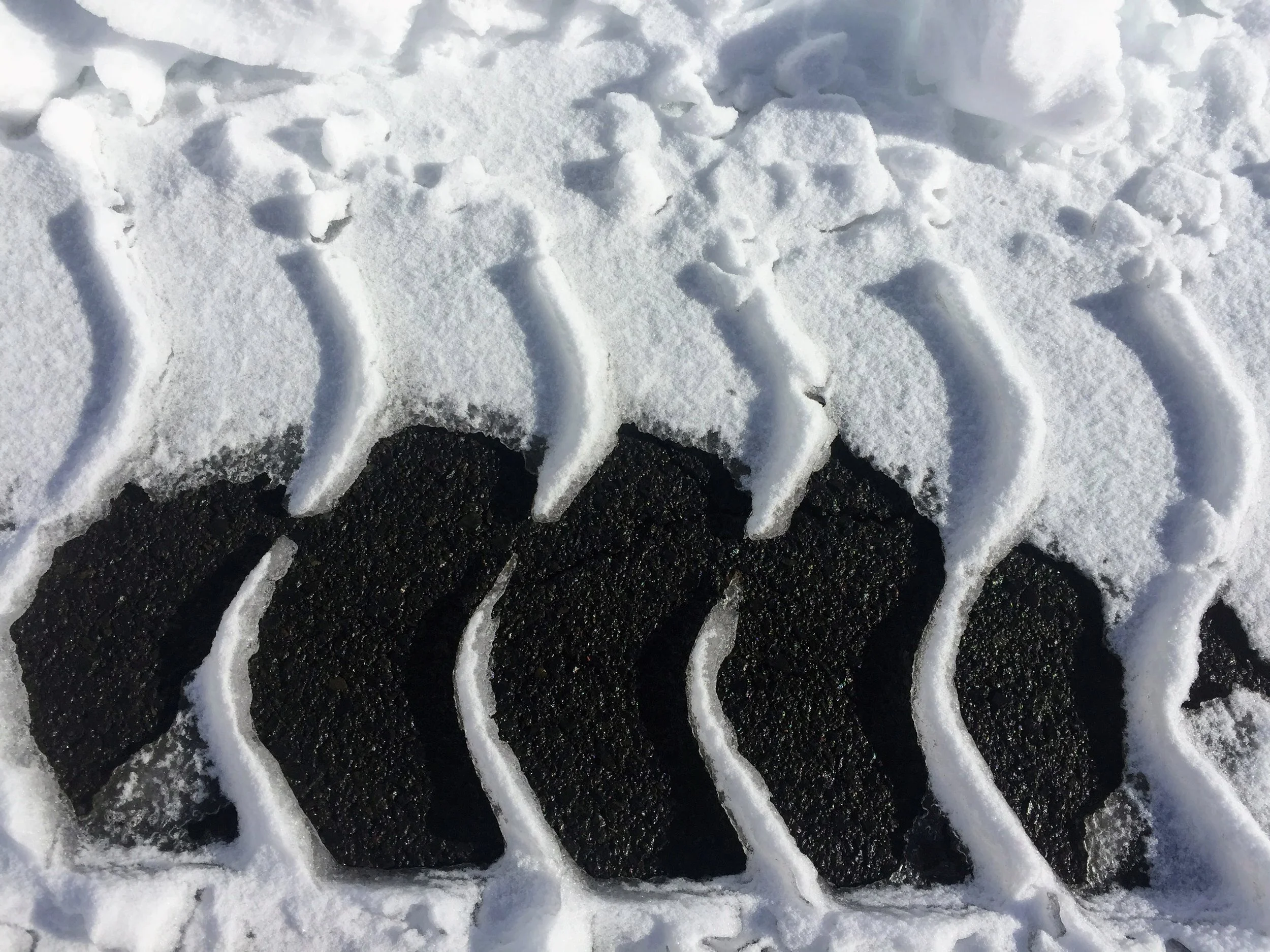
Tire tread left in snow and melting into its pattern against blacktop road. PNW | my archives
A runner I saw regularly stopped me after the sun broke. She said that our neighbor, another usual morning runner, had died in a freak summer snowstorm. While hiking, she and her partner encountered whiteout conditions at 14,000 feet, hid in a tree well, and she died.
I remember walking home, stunned, with caked sweat drying to salty crystals. She died. From summer snow. But she was so fit and a scientist. If it happened to her, it could happen to anyone.
Not long after that exchange, as I was walking my dog past the dead neighbor’s house, a woman came out of it. I waved. She stopped me, saying she was cleaning out the woman’s house, and asked if I wanted to come in, look around, and take anything. Looking at the open front door and the polished, dark wood floors, I declined.
How do you prepare for dangers in nature? Erratic weather and unstable terrain become problematic when people intersect with them.
An Invitation to Remember
A few months ago, I attended a workshop about getting unstuck in the backcountry. Wildlife biologists in Carhartt jackets, work boots, beanies, and coffee thermoses shared their best stuck story and how they got out.
What stuck with me (terrible but fun pun) was what a former Marine, turned wildlife officer, said. “I don’t have an unstuck story because I don’t get stuck.” The group laughed. “If I think I’m going to get stuck, I abort and turn around; it’s not worth it.”
He advised never to underestimate the first snowdrift you see. “Turn around,” he said. “It only gets worse.”
If in the desert, leave right before sunrise, when the ground is coldest; otherwise, your tires may sink when the ground warms.
This past spring and summer, I used his advice in the backcountry across all kinds of terrain. This hardy group also taught me not to get into a situation you cannot get out of on your own. Self-reliance is everything in outdoor recreation. Don’t overestimate your abilities. Everything takes longer than you think. Prepare for the worst.
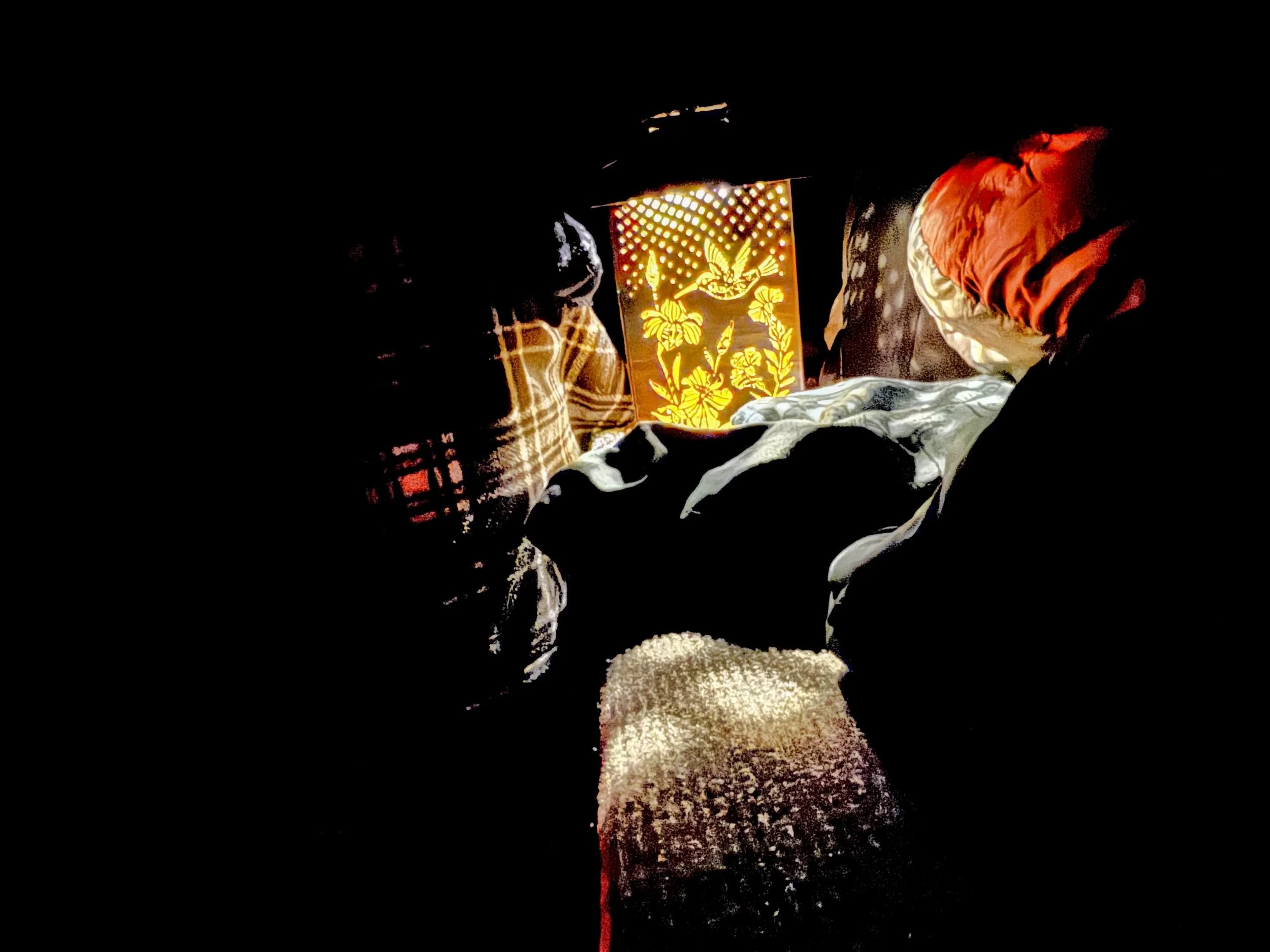
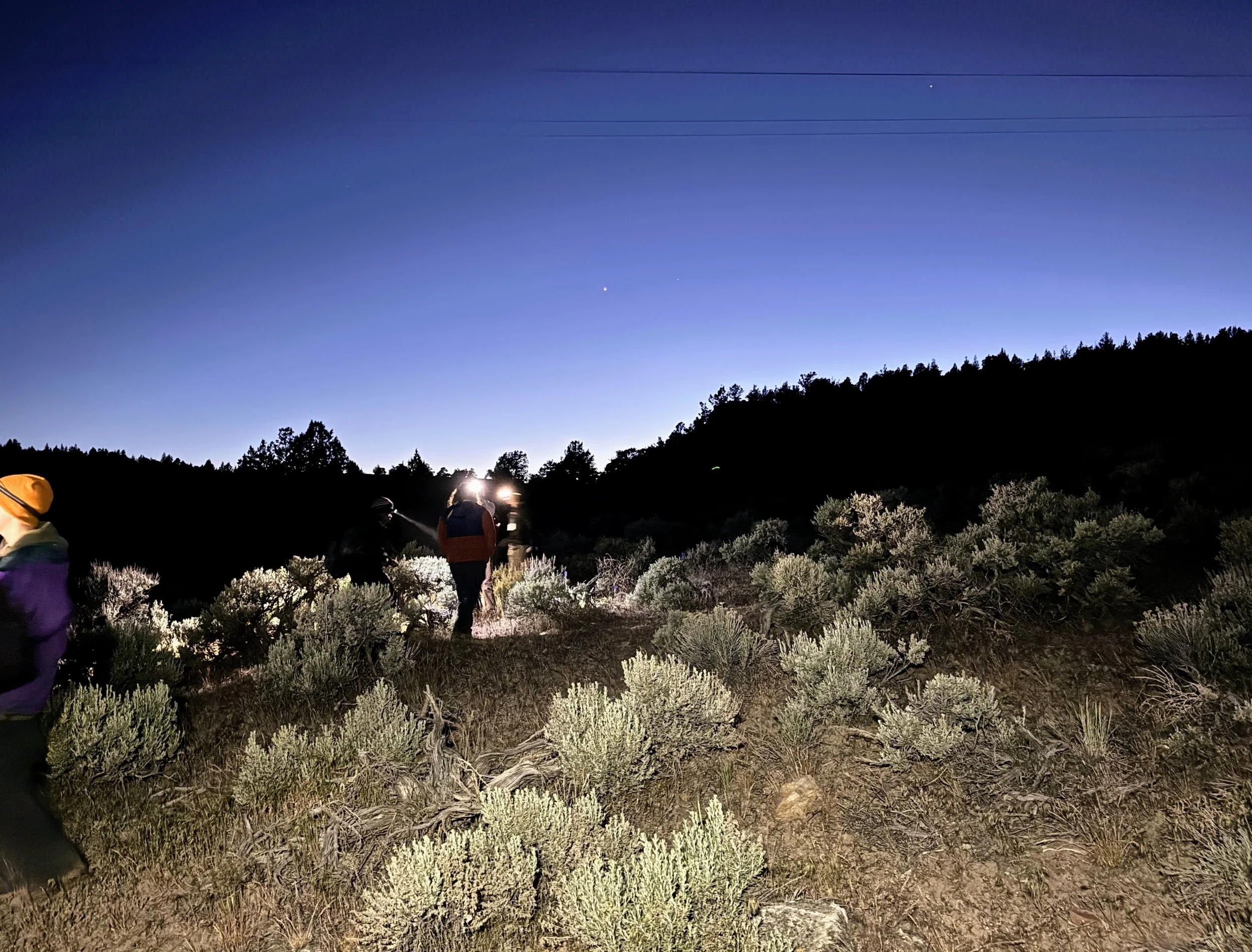
(Left) Insomnia reading light while solo camping. PNW 2026 (Right) Part of the workshop involved orienteering in the dark. My headlamp looks like something out of Tron—it has a 180-degree band of light, rather than a single focal point.
During random insomniac bouts, I read backcountry search-and-rescue narratives under the covers. These are factual squibs: “Twenty-eight-year-old male and his hiking partner got stranded by a lightning storm while in Yosemite…” I read for the lessons: what not to do, what not to repeat if I were in those situations, how people end up in bad situations. I think about my neighbor and wonder whether she studied the weather patterns days before the trip or observed clouds, wind, and animals during that deadly hike.
Adapting Advice in the Backcountry
Before and during a backcountry trip, I watch weather patterns. I’ve called off trips before ever leaving because of impending mountain weather. But one recent spring trip to the Uintas Mountains went a little differently. First, while driving on the single-lane mountain road, my intuitive radar went off: it was deeply rutted, with small streams of water trickling through it.
“I don’t like this road,” I said.
“It’ll be fine,” said My Guy.
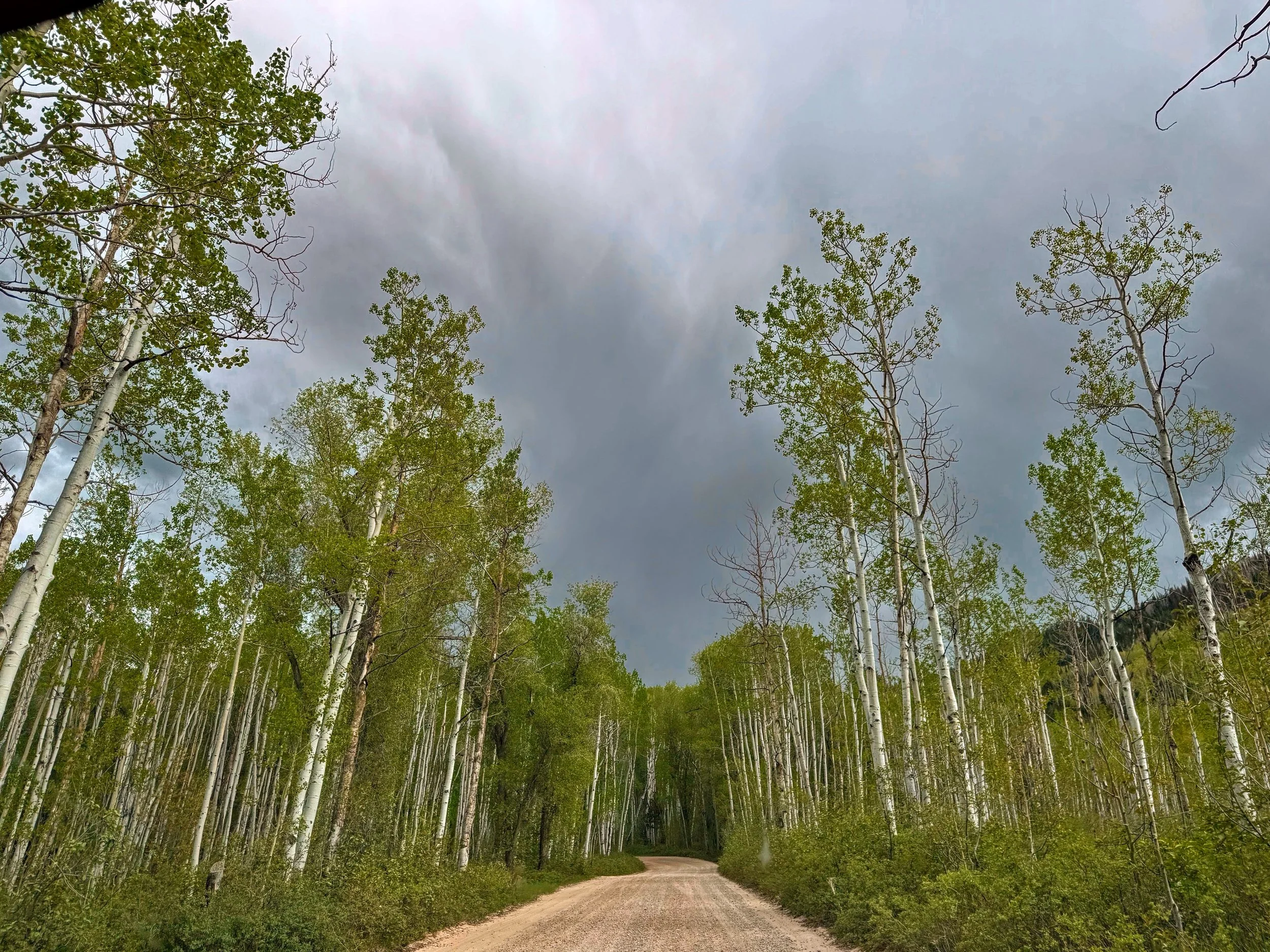
Beginning the ascent into the Uintas Mountains, Utah. 2026
We found a dispersed spot, set up camp, ate, read, and tucked in for the night. The wind shrieked and beat the tent while it poured. The dogs were curled in tight balls against us. While awake, my brain spun out narratives: that road—the only road here--is going to be impassable or washed out. This was not relaxing or fun.
Each day yielded periodic adventures: waking to the sounds of porcupines fighting, hearing two stags fall in the 60 mph winds, and eight hours of lightning that forced us to stay in the rig. I watched the satellite’s weather patterns and didn’t like what I saw: heavy snow and ice were coming our way. The dismal weather would land at 5 PM. I told our group to cut the trip short; we had to be gone by three.
We took down our camp and headed back down the mountain. The sky got darker with charcoal gray and navy clouds. As we made our way down, we threaded past large pick-up trucks towing immense fifth-wheel trailers going up the mountain pass.
Did these people not read the imminent weather report? The problem is that the weather where people start—often at lower elevations where it's completely normal—is very different at 10,000- 13,000 feet elevation. But I get it: you’ve had a weekend trip planned, those are your days off, all the gear is packed, so don’t let weather sideline your plans.
Risk, Reward, and Decision-Making
When we got to Salt Lake City that evening, we all showered, changed into the remaining clean clothes, and went to a popular pizzeria. The rain poured against the restaurant’s windows, and we were layered in fleece. “Imagine the snow falling up there now,” I said.
How we calculate risks varies among us. Some push the edge, pull back, or don't go anywhere at all.
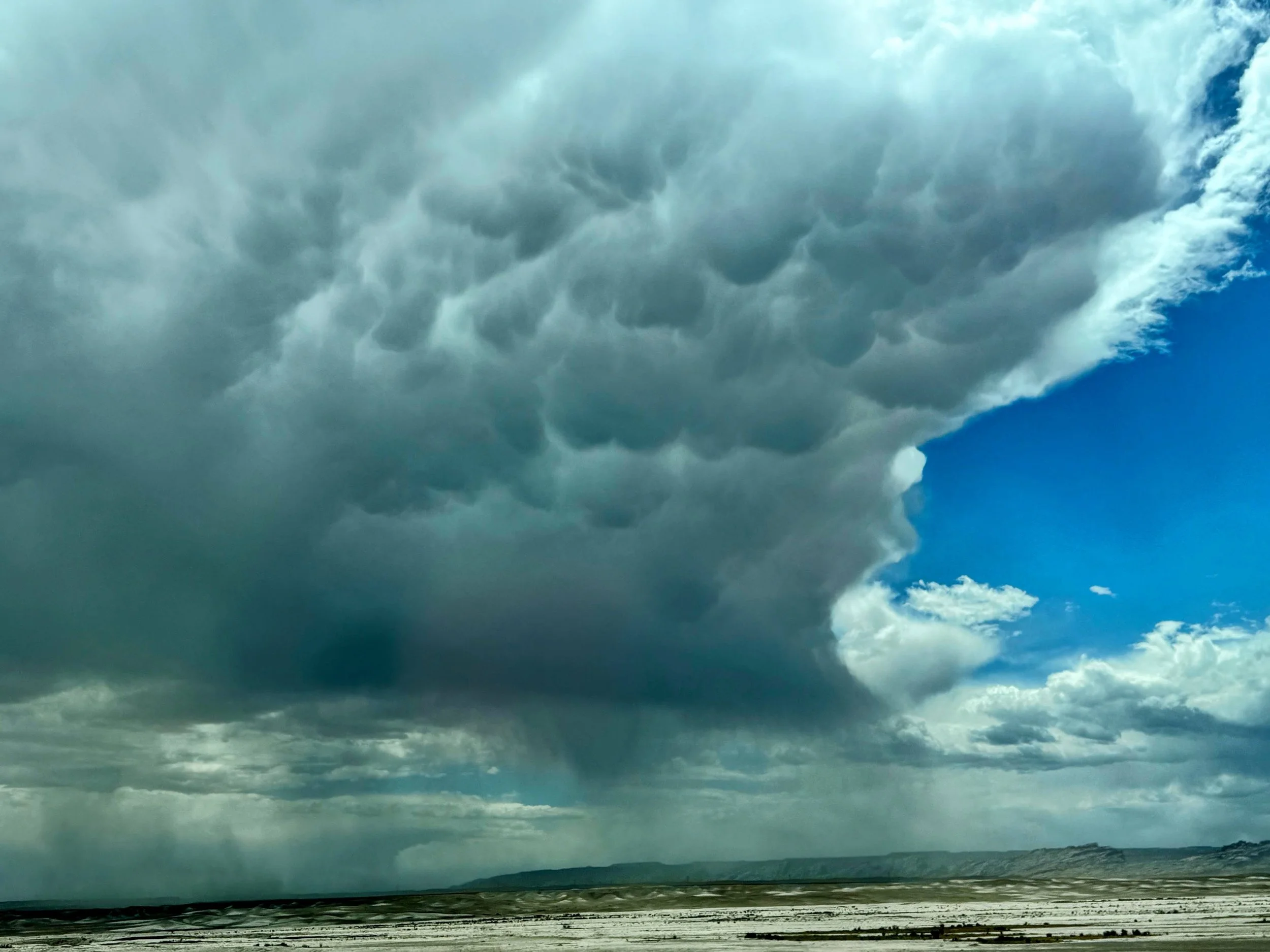
Classic Utah high desert landscape with weather front. 2026.
In case you’re interested in the science and preparation behind wilderness travel, consider these resources:
Wilderness Risk Assessment & Decision-Making
Risk Management for Outdoor Leaders | National Outdoor Leadership School (NOLS)
Mountain Weather Patterns & Backcountry Forecasting
Mountain Weather Forecast
National Weather Service
Rotach, M. W., and Coauthors, 2022: A Collaborative Effort to Better Understand, Measure, and Model Atmospheric Exchange Processes over Mountains. Bull. Amer. Meteor. Soc., 103, E1282–E1295, https://doi.org/10.1175/BAMS-D-21-0232.1.
Human Factors and Cognitive Bias in the Outdoors
Human Factor, The Avalanche Triangle | Avalanche.org
Role of Heuristics in Avalanche Education. Center for Health Decision Science, Harvard T.H. Chan School of Public Health 2021.
Outdoor Accident Statistics and Case Studies
Incident Data from National Park Service | NPS
Wilderness Medicine and Preparedness